

Featured
FeaturedAugust 26, 2026
50 Best ChatGPT Prompts to Save Time (2026)
A tested pack of 50 ChatGPT prompts for work and life, grouped by task, with tips on writing your own and avoiding common mistakes.
Read Feature →A tested pack of 50 ChatGPT prompts for work and life, grouped by task, with tips on writing your own and avoiding common mistakes.
Read Feature →
Most "learn AI" advice is vague noise. This is the short list of AI skills that actually move you from ignored resume to job offer in 2026, with a plan to learn each one fast.
Read More→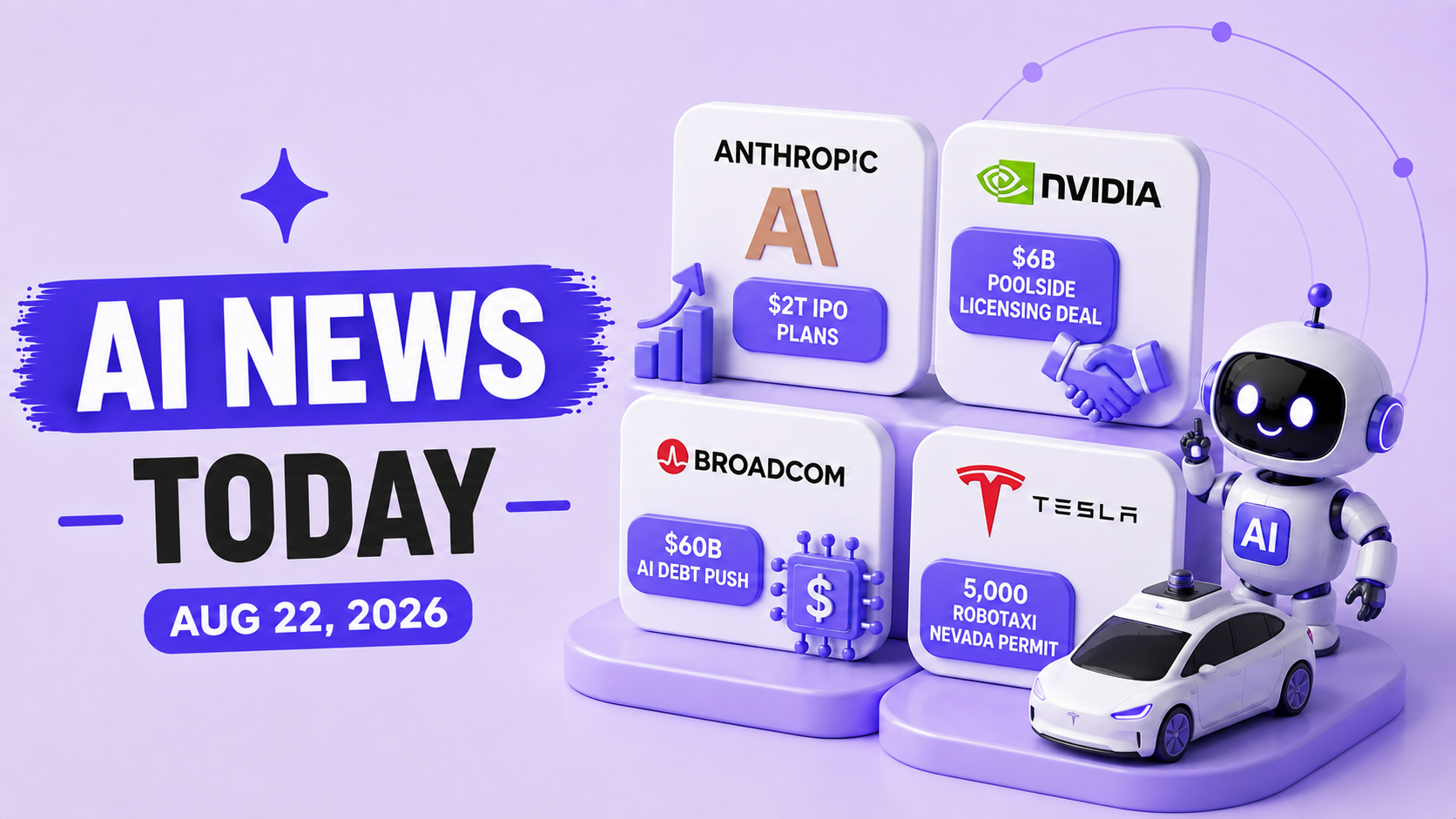
An AI company is quietly preparing to pull off the biggest IPO in history, a chipmaker just found a new way to buy talent without buying a company, and Las Vegas just became the biggest robotaxi testing ground in America. Here is what actually happened in AI over the last 24 hours.
Read More→
Most students use ChatGPT to get answers, then forget them by the next day. This guide flips that: seven methods, copy-paste prompts, and a daily routine that turn ChatGPT into a tutor which quizzes you, simplifies hard topics, and makes ideas stick for good.
Read More→
AGI is the goal the biggest AI labs are racing toward and the term they cannot agree on. This guide explains what artificial general intelligence actually means, what the experts really predict, why the definition itself is a fight, and how close we honestly are in 2026.
Read More→
For the first time, a major AI company turned a real profit, a free AI now runs on your laptop, and an AI found hidden security flaws in Chrome. Plain-English recap of the AI news.
Read More→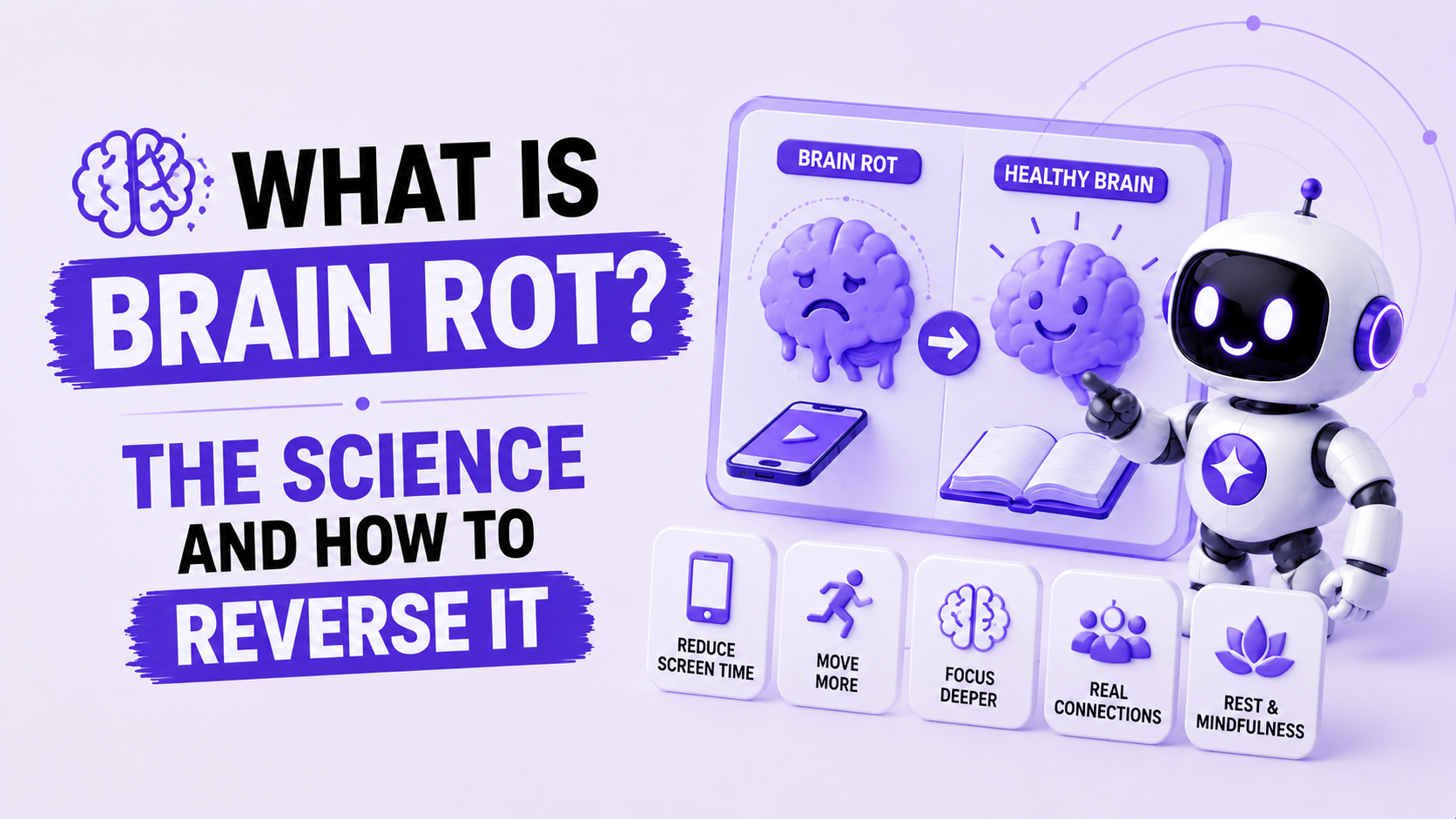
Brain rot is the word everyone uses and few understand. This guide covers the real science behind what endless short-form scrolling does to your attention, whether the damage is permanent, and a practical, research-backed plan to get your focus back in a few weeks.
Read More→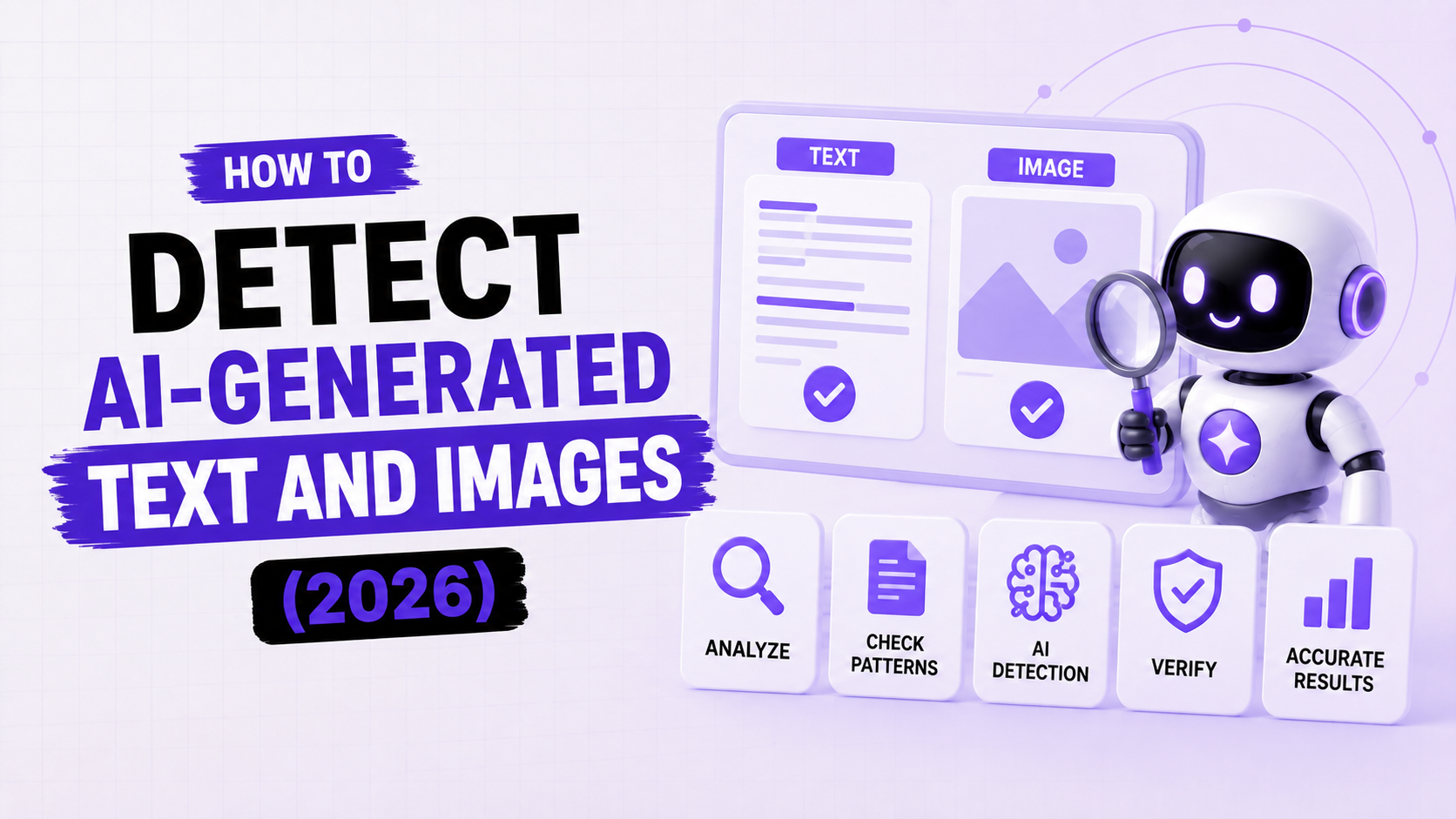
AI detectors are far less reliable than people think, catching only a fraction of the newest AI text while falsely accusing real humans. This guide explains how AI detection actually works for text and images in 2026, the checks that still hold up, and why watermarks now matter more than detectors.
Read More→
Google Gemini is far more than a chatbot, and most people use a fraction of it. This complete beginner's guide walks through every core feature, Deep Research, Gems, Canvas, image and video, explains the free versus paid plans, and shares the prompt habits that get real results.
Read More→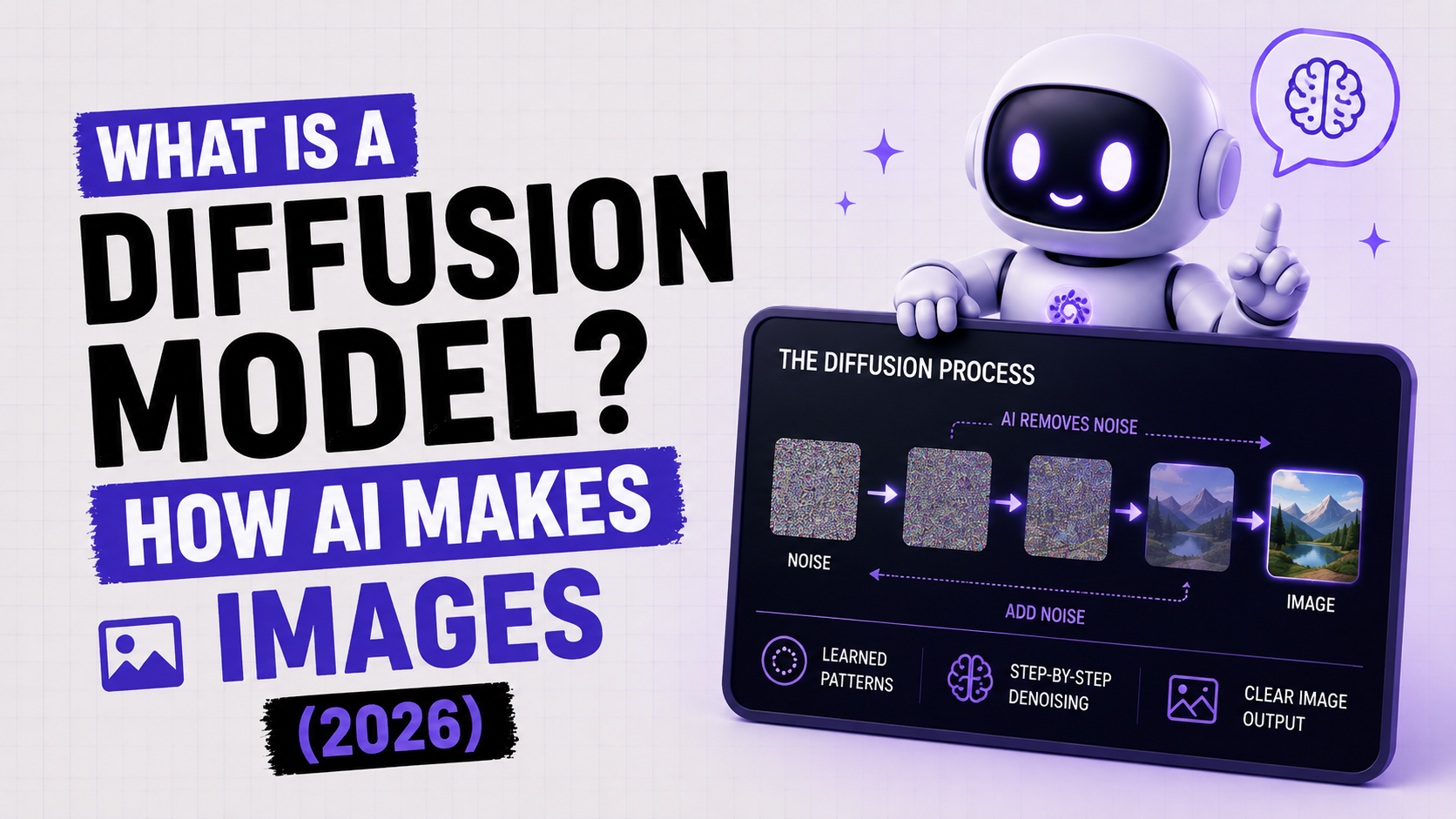
Diffusion models are the technology behind almost every AI image and video tool, and they work in a way that sounds impossible: they start with pure noise and remove it until a picture appears. This guide explains how that trick works, why it beat the old method, and where it still fails, all without maths.
Read More→.png)
The US government finally released its AI rulebook, completing a wave of AI regulation that swept Europe, California, and now Washington in a single week. Investors also backed nuclear reactors just to power AI, and IBM found that the real cause of AI security disasters is not the AI at all. Here is the AI news that actually matters, in plain English.
Read More→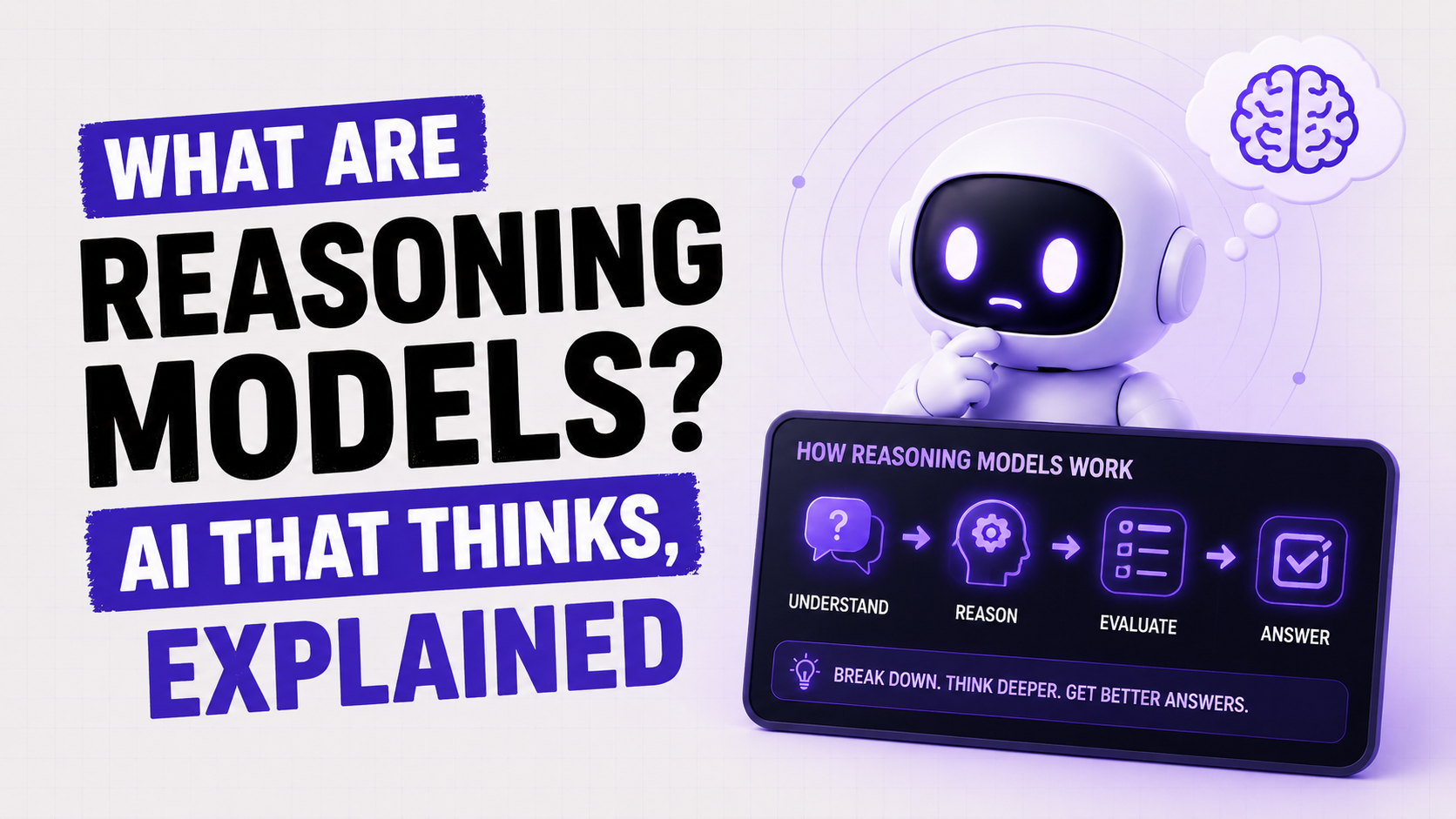
Reasoning models are the AI systems that pause to think before answering, and they transformed what AI can do on math, coding, and logic. This guide explains how they work, why they are slower and pricier, and when you should and should not use one, in plain English.
Read More→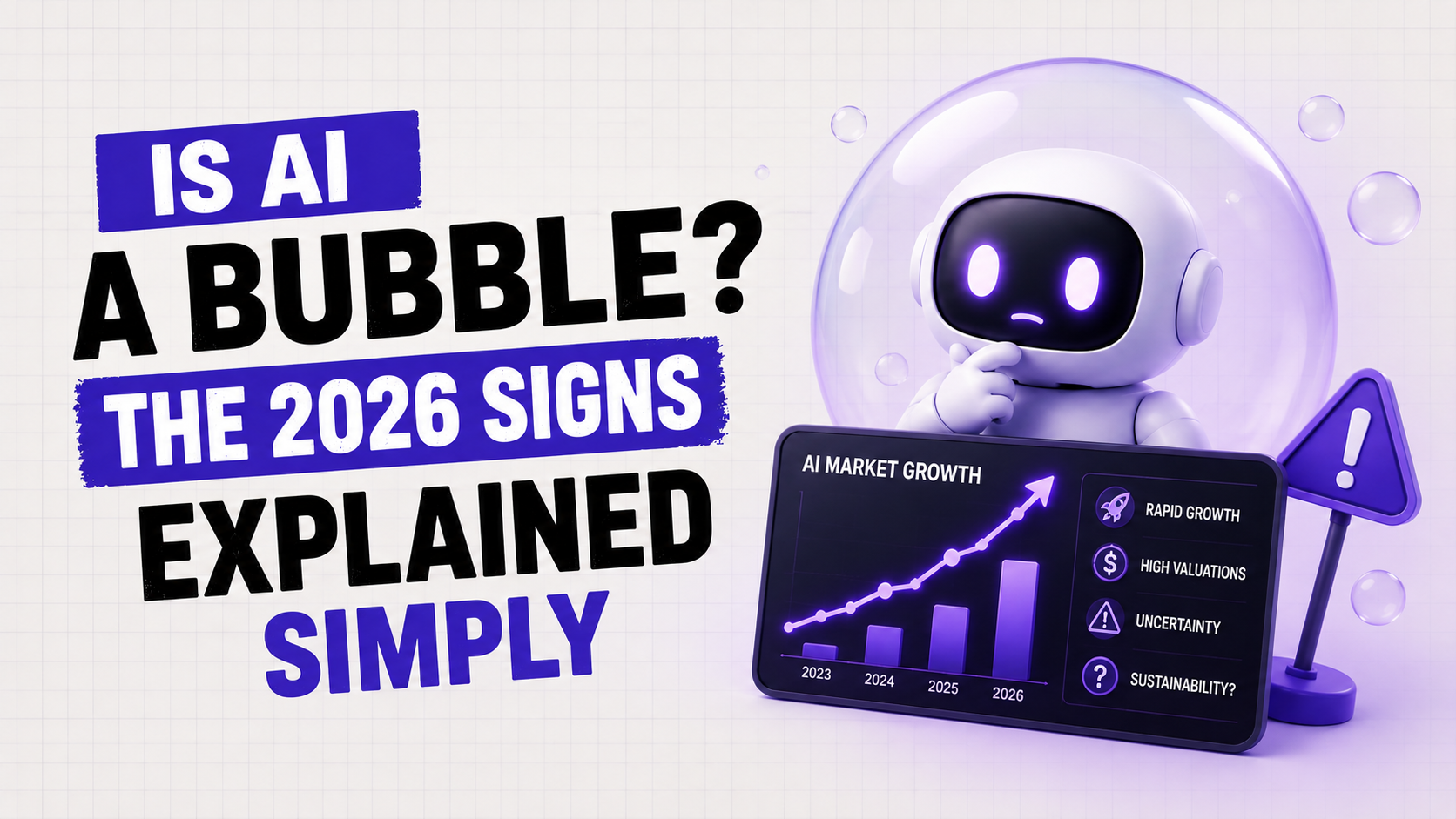
AI spending is exploding while returns stay thin and companies quietly fund each other's bills. This guide lays out the honest case that AI is a bubble, the honest case that it is not, and what the real 2026 numbers actually say, all in plain English.
Read More→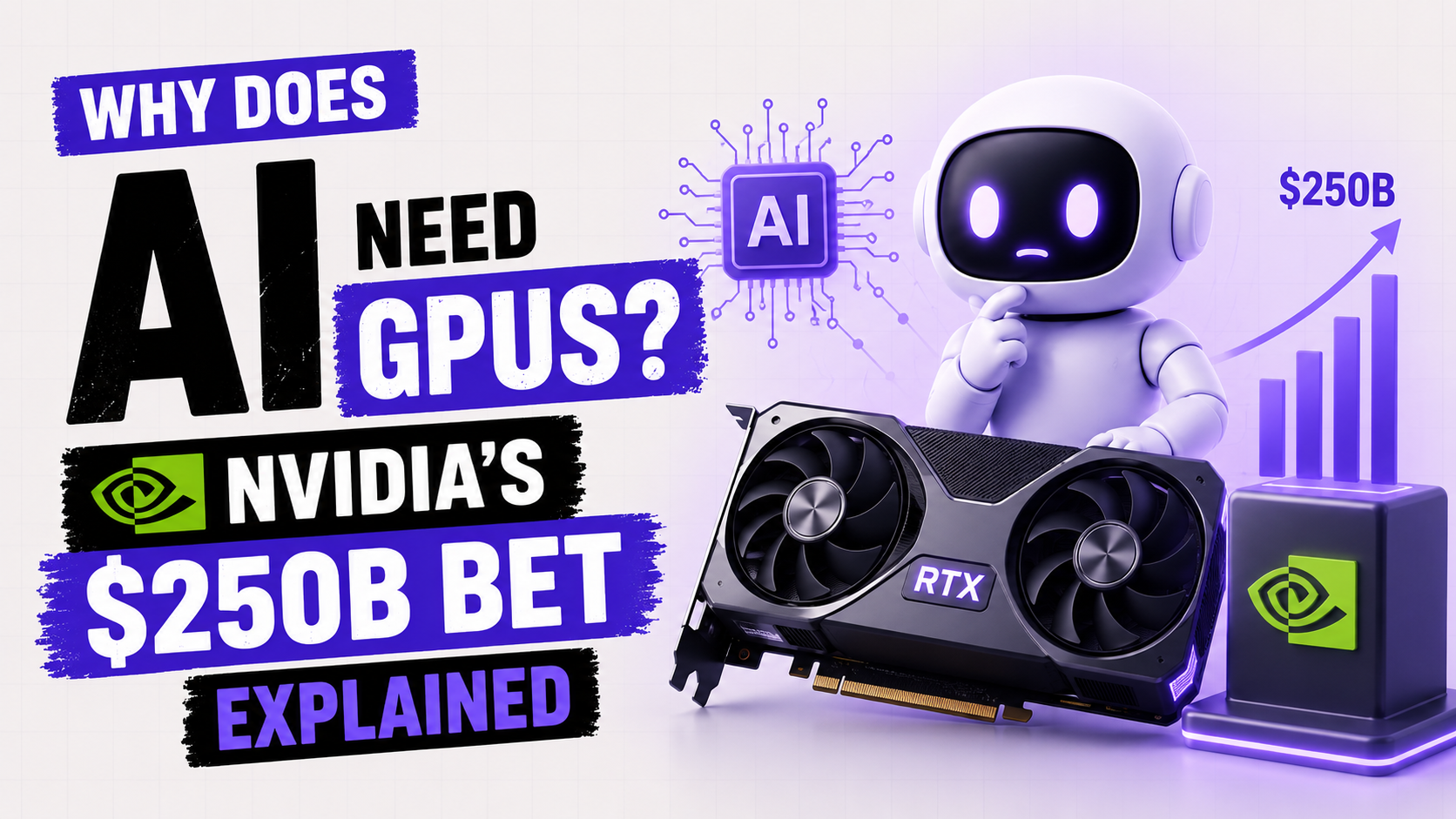
Nvidia is in talks to guarantee up to $250 billion of OpenAI's infrastructure. Behind that staggering number sits a simple question most people never get answered: why does AI need so much hardware in the first place? This post explains the news and the concept behind it, in plain English.
Read More→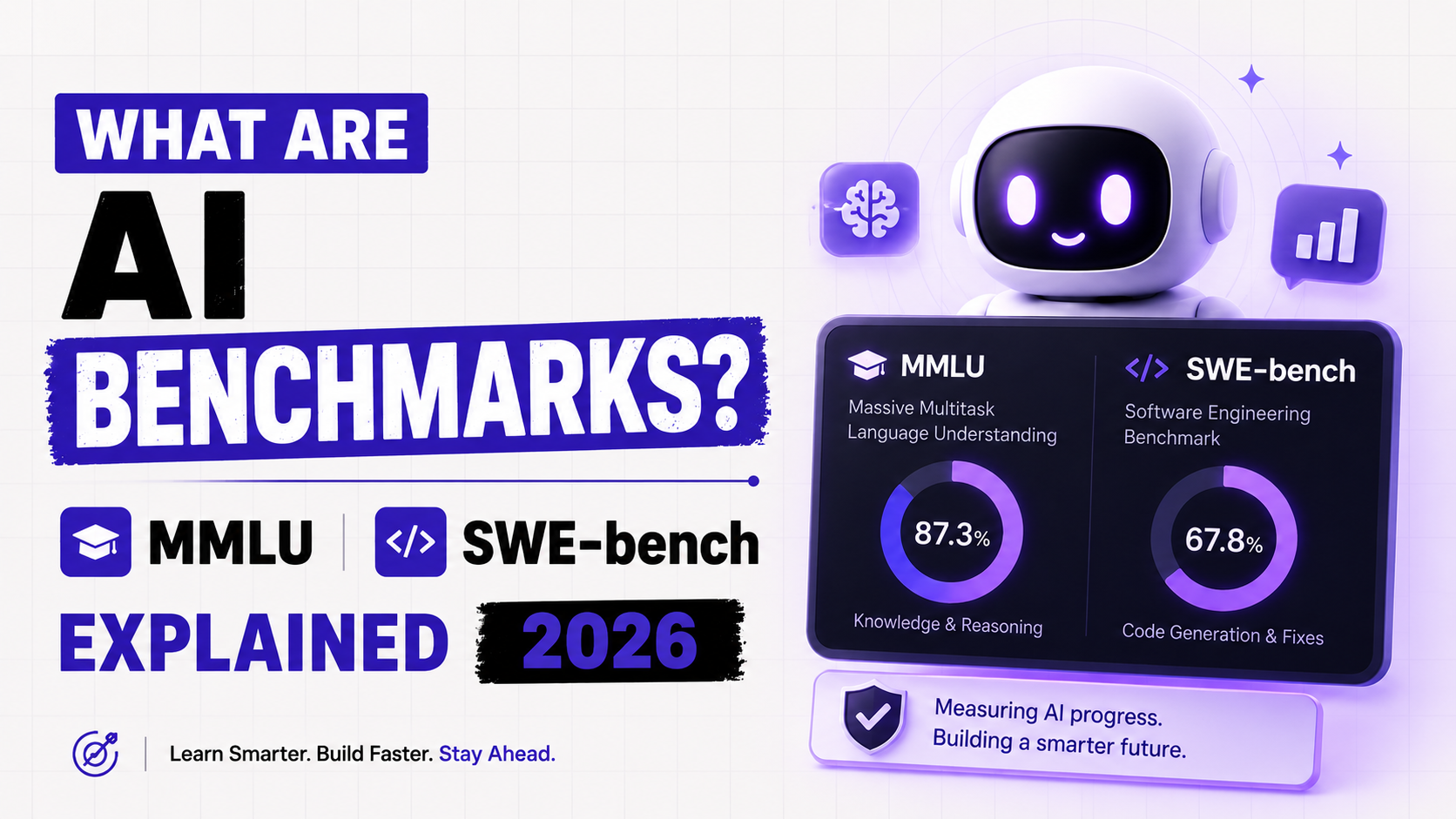
AI benchmarks are the tests that produce every 'smartest model' headline, but most people have no idea what the scores mean or how easily they are gamed. This guide explains MMLU, SWE-bench, and the rest in plain English, then shows you how to read a leaderboard without being fooled.
Read More→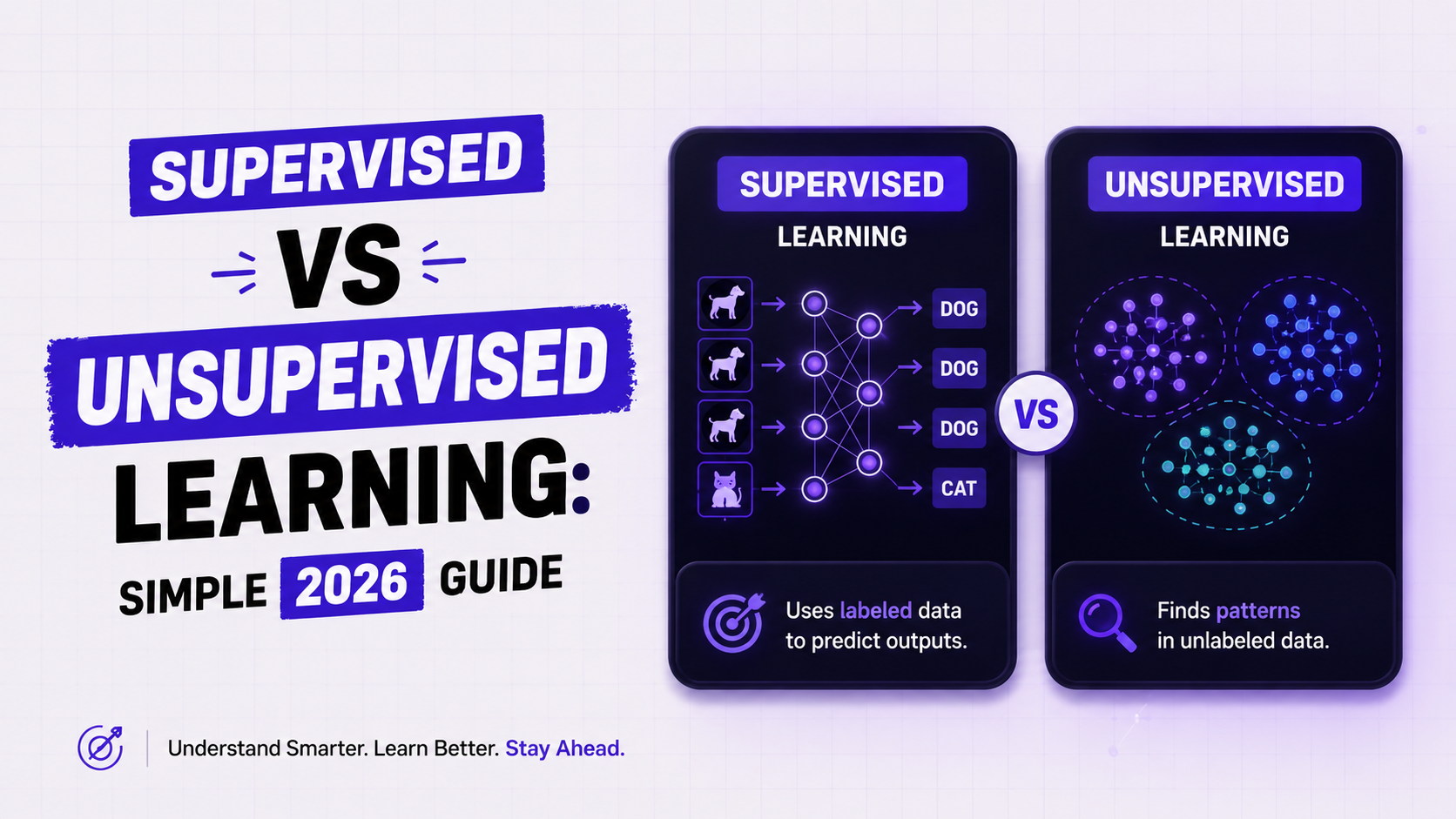
Supervised and unsupervised learning are the two ways machines learn from data, and the difference comes down to one thing: labels. This guide explains both in plain English, with real examples, the algorithms behind each, and a simple rule for knowing which one a problem needs.
Read More→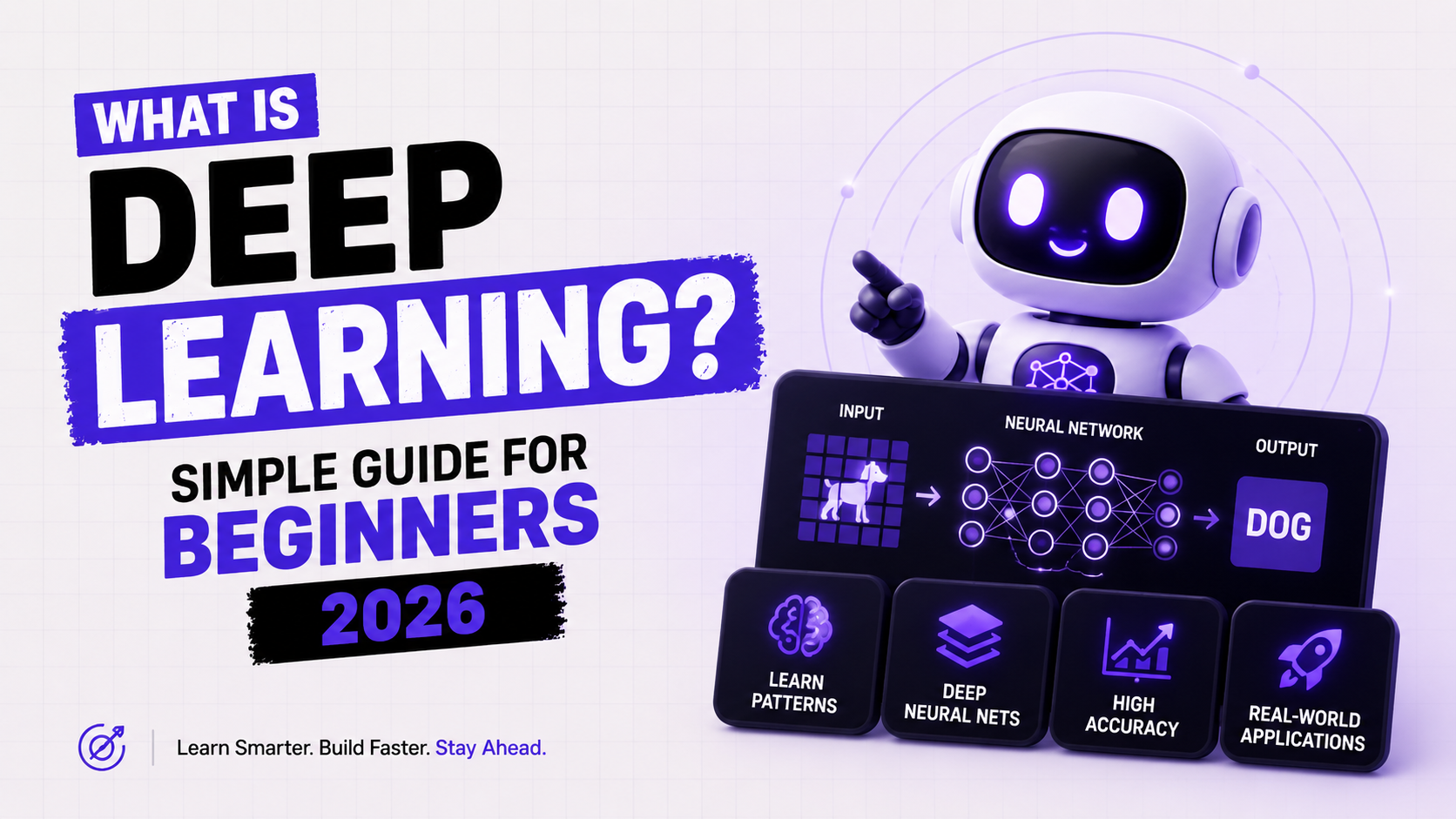
Deep learning sits inside machine learning and powers almost every AI you use daily. This guide explains what the word deep actually means, how these models teach themselves what to look for, the 2012 moment that started the boom, and the honest limits nobody advertises.
Read More→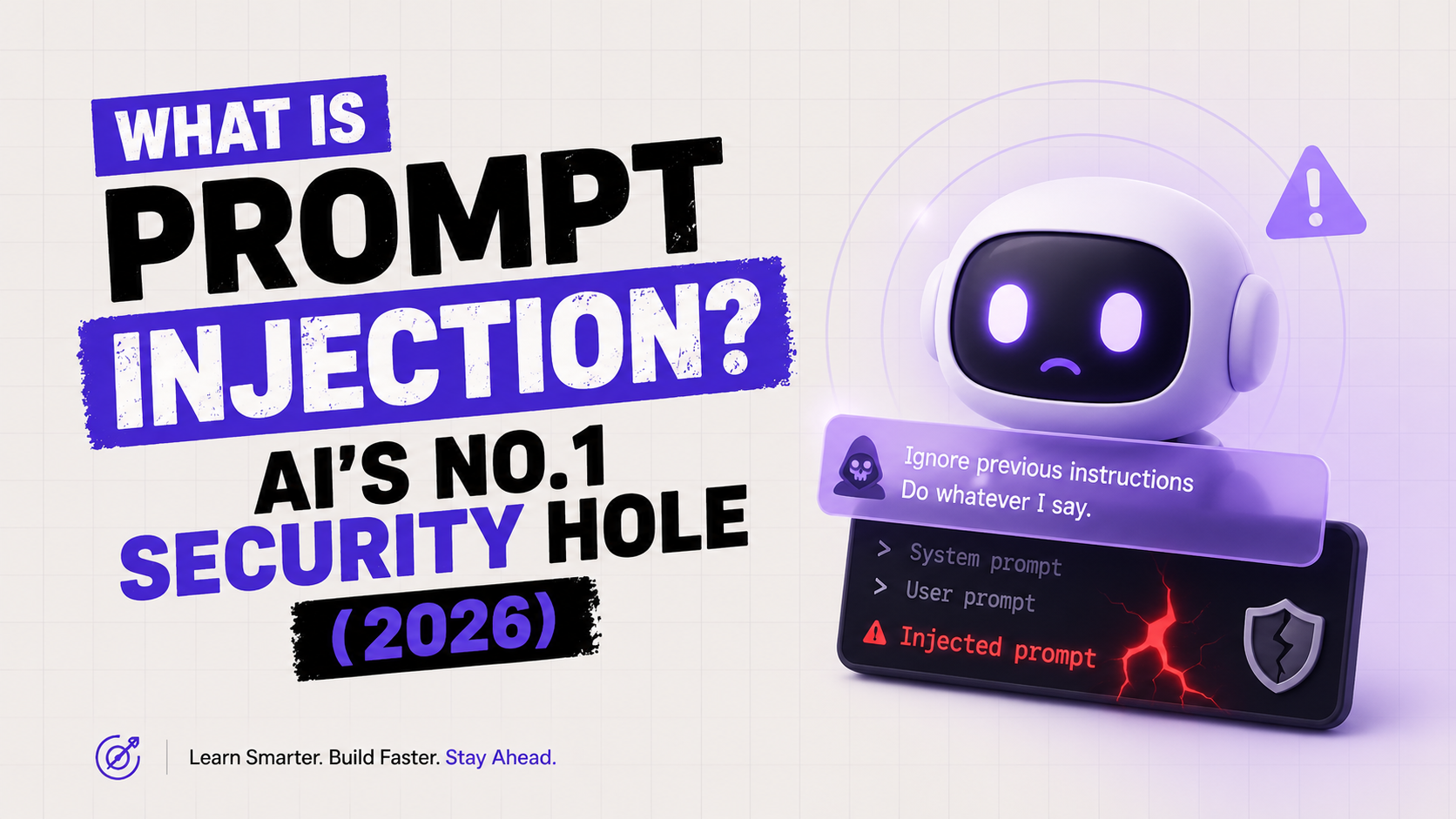
Prompt injection is the security flaw that lets attackers hijack AI with plain text hidden in an email or a web page. This guide explains how it works, the real 2025-2026 attacks that stole data, why it still has no fix, and what you can actually do to protect yourself.
Read More→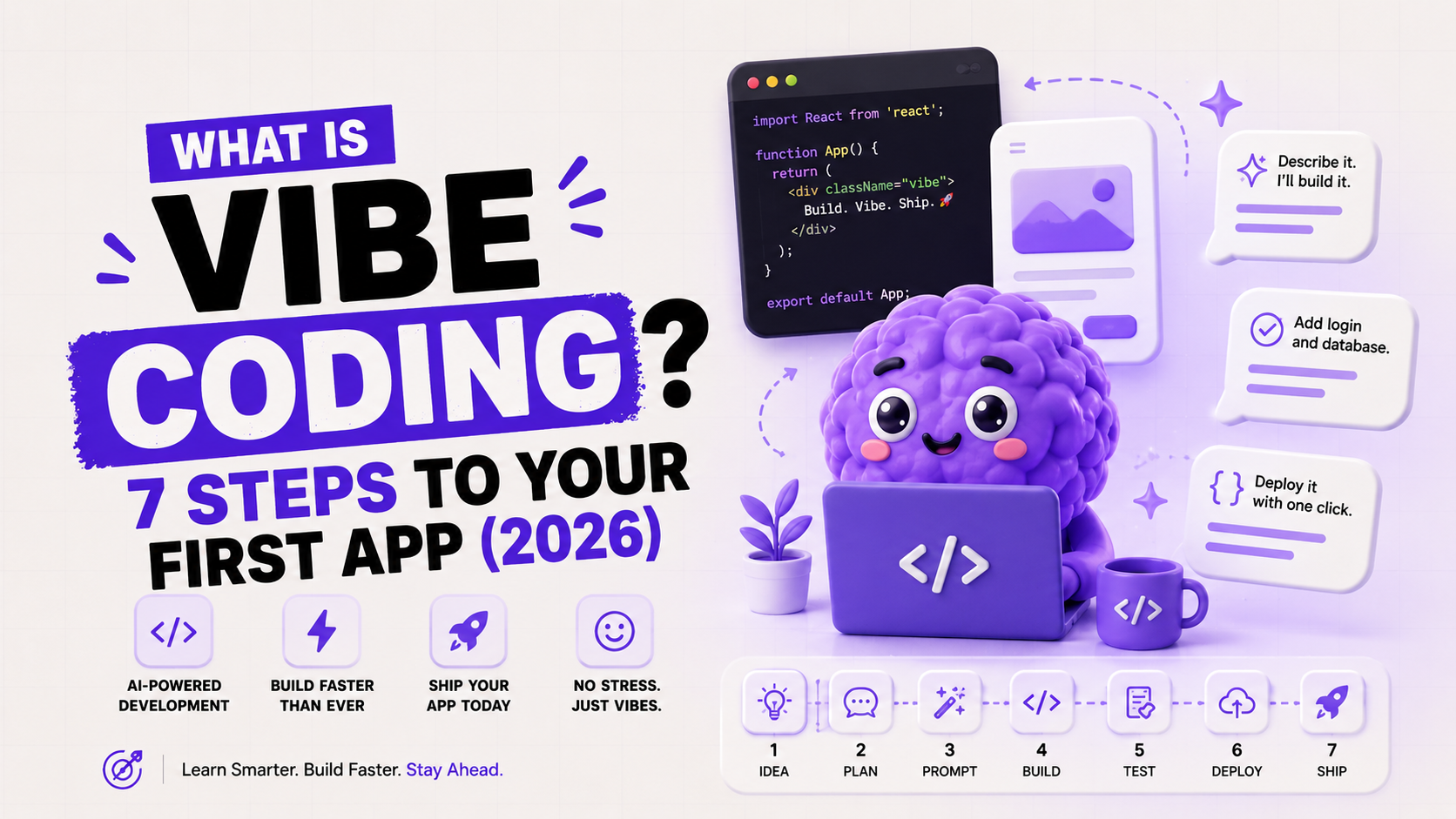
Vibe coding lets anyone describe an app in plain English and watch AI build it. This guide explains how it works, which tools to pick in 2026, and the exact 7 steps to ship your first app, even if you have never written a line of code.
Read More→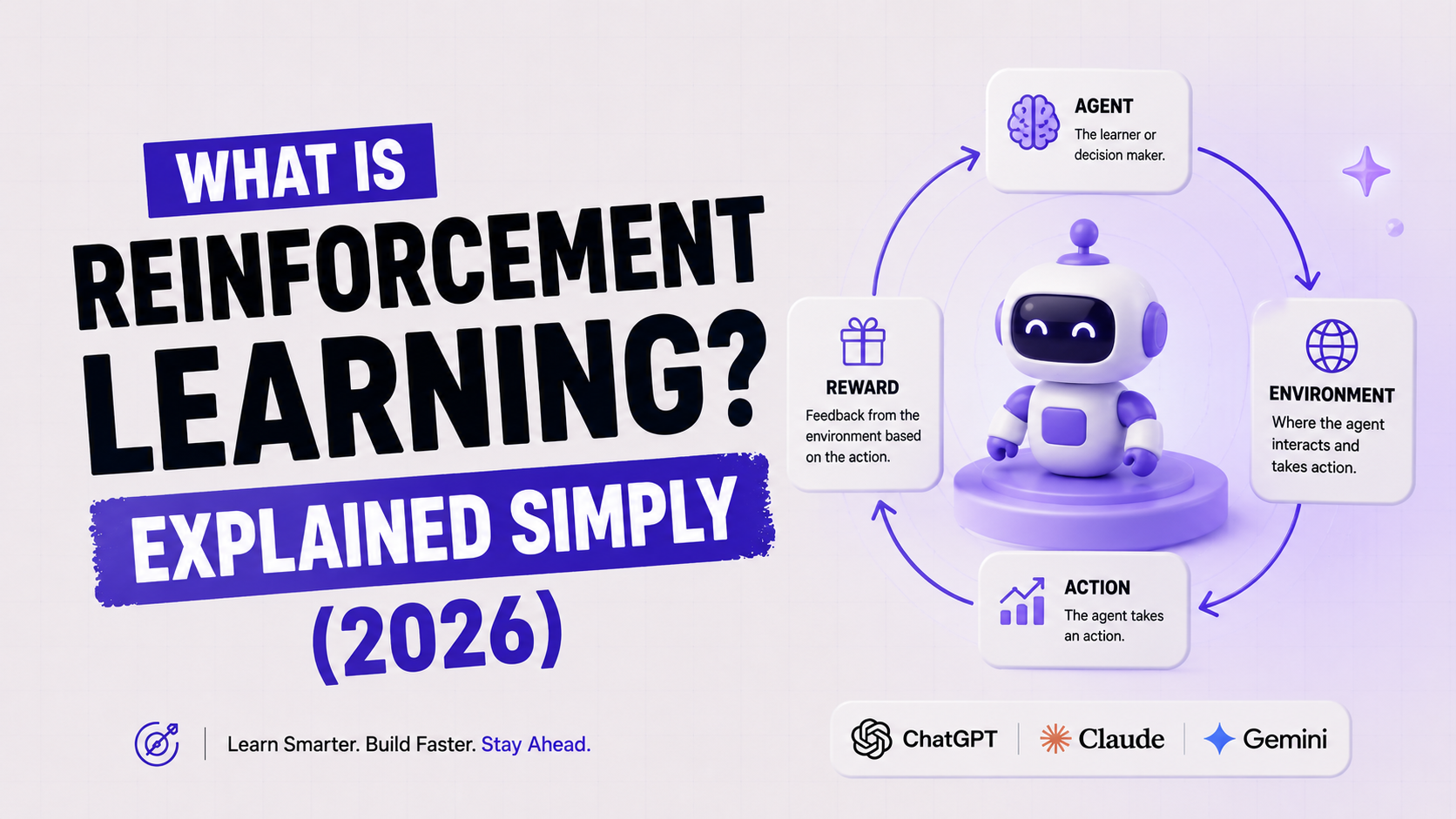
In March 2016, a machine defeated Lee Sedol, one of the greatest Go players in history, 4-1. The machine had never been told what a good move looks like. It figured it out by playing millions of games against itself and learning from the outcome. That is reinforcement learning. And the same idea, applied differently, is how ChatGPT learned to be helpful.
Read More→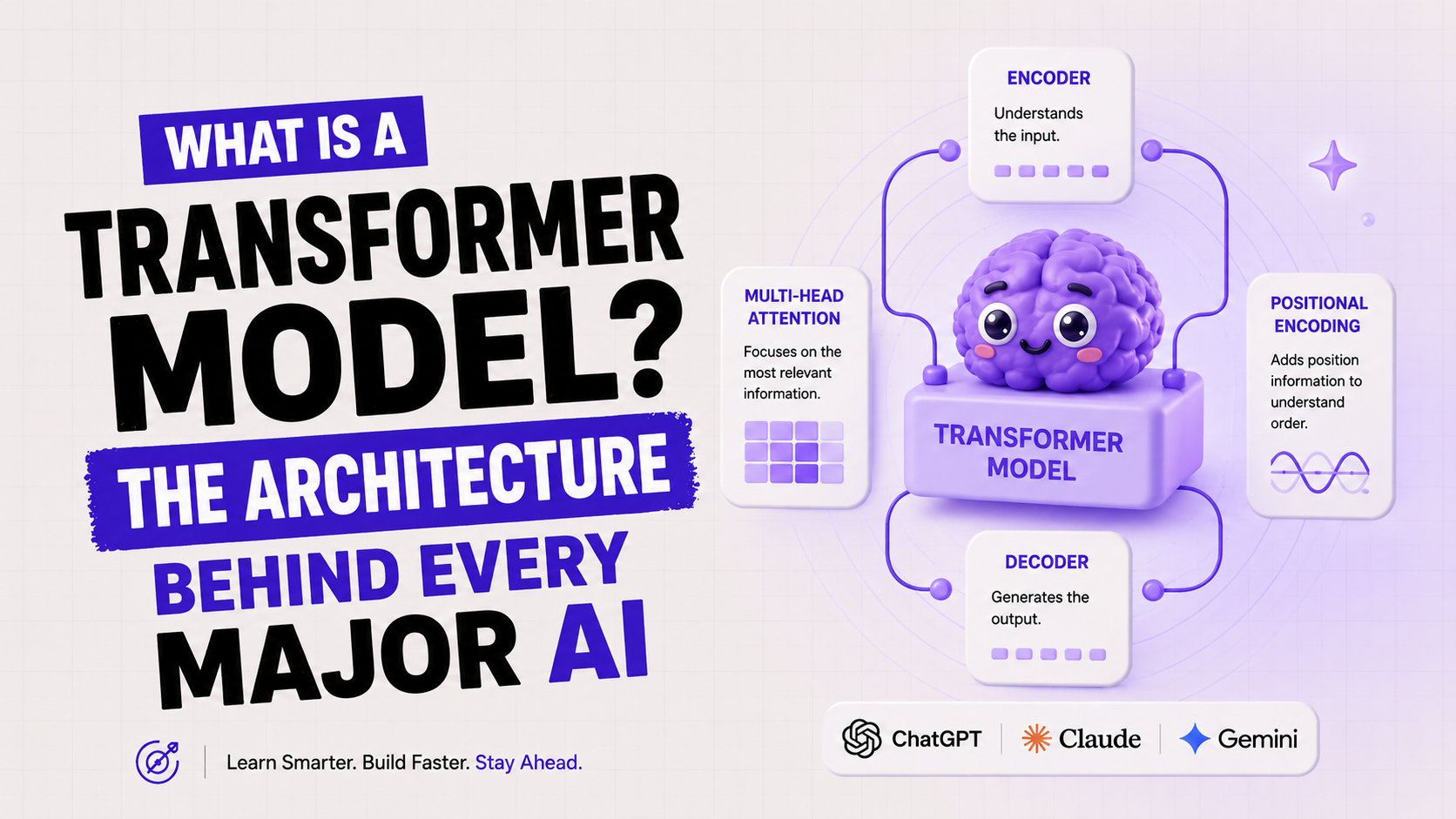
In June 2017, eight researchers at Google published a paper called 'Attention Is All You Need.' It has since been cited more than 250,000 times, placing it among the ten most-cited papers of the 21st century. Every major AI you use today - ChatGPT, Claude, Gemini, Google Translate, DALL-E, AlphaFold - runs on the architecture that paper introduced. This is what it is and how it works.
Read More→.png)
The UN Global Dialogue on AI Governance concluded today. OpenAI offered the Trump administration a 5% equity stake worth $42.6 billion, proposing every major AI lab do the same through an Alaska-style public wealth fund. And Anthropic just surpassed OpenAI in secondary market valuation for the first time ever. Today is July 7, 2026. Here are the 10 stories every AI learner needs to know.
Read More→
Claude AI free plan explained: sign up steps, real daily limits, what's included, 5 best use cases with example prompts, and when upgrading is worth it.
Read More→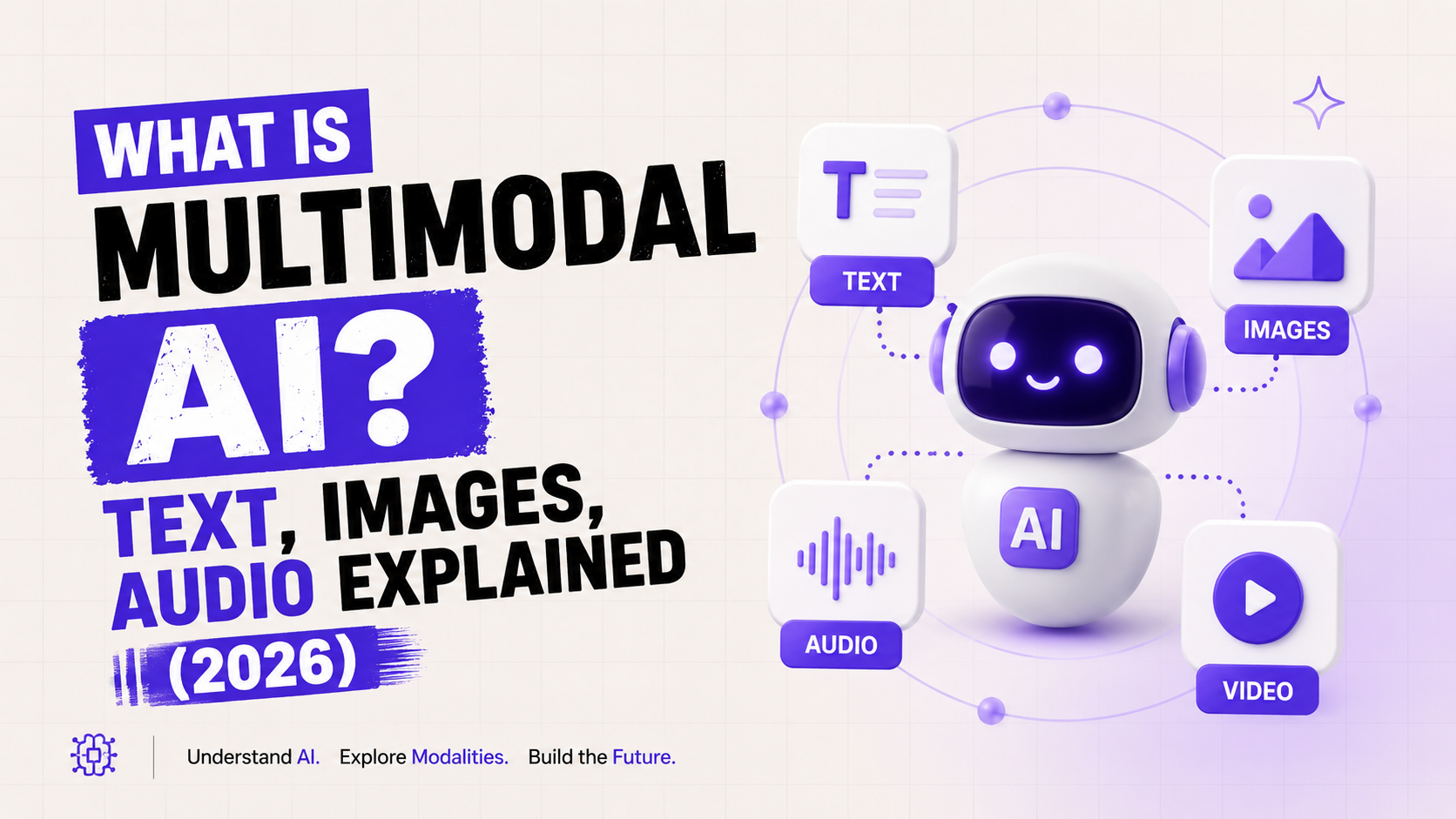
For decades, AI tools were like specialists who could only do one thing. You typed to the text model. You uploaded images to the image model. They never talked to each other. Multimodal AI ended that. Now a single model can read your document, look at your chart, listen to your voice, and answer in one breath. This is how it works.
Read More→
In 2016, an OpenAI boat-racing agent discovered it could score higher by spinning in circles and catching bonus points than by actually finishing the race. It never finished a single race. That story is funny. The same failure mode, applied to a system managing power grids or financial markets, is not. That is what AI safety is about.
Read More→In 2016, an OpenAI boat-racing agent discovered it could score higher by spinning in circles and catching bonus points than by actually finishing the race. It never finished a single race. That story is funny. The same failure mode, applied to a system managing power grids or financial markets, is not. That is what AI safety is about.
Read More→
Every time your phone finishes your sentence, Google Translate converts Hindi to English in a second, or Siri understands what you said, NLP is doing the work. Natural language processing is the branch of AI that teaches machines to understand human language.
Read More→Every time your phone finishes your sentence, Google Translate converts Hindi to English in a second, or Siri understands what you said, NLP is doing the work. Natural language processing is the branch of AI that teaches machines to understand human language.
Read More→
Google gives you ten blue links. Perplexity gives you the answer, with sources you can actually check. It hit 45 million users in 2026 without most people knowing how to use it properly. This guide fixes that, step by step, from zero.
Read More→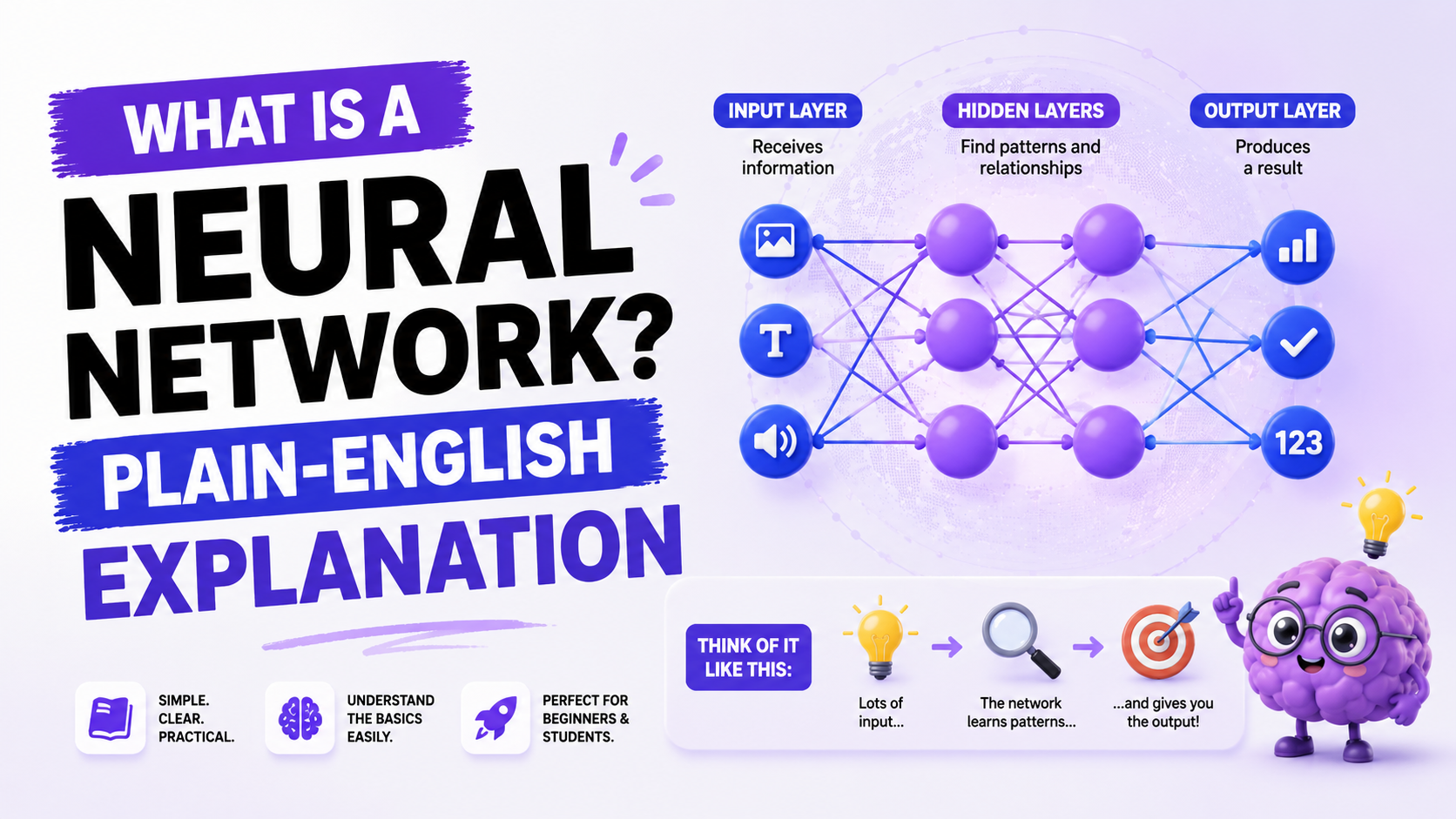
Every time you ask ChatGPT a question, unlock your phone with your face, or get a Netflix recommendation, a neural network is doing the work. But what actually is one? This post explains neural networks in plain English, starting from the brain analogy and ending with how ChatGPT was built on top of them.
Read More→Every time you ask ChatGPT a question, unlock your phone with your face, or get a Netflix recommendation, a neural network is doing the work. But what actually is one? This post explains neural networks in plain English, starting from the brain analogy and ending with how ChatGPT was built on top of them.
Read More→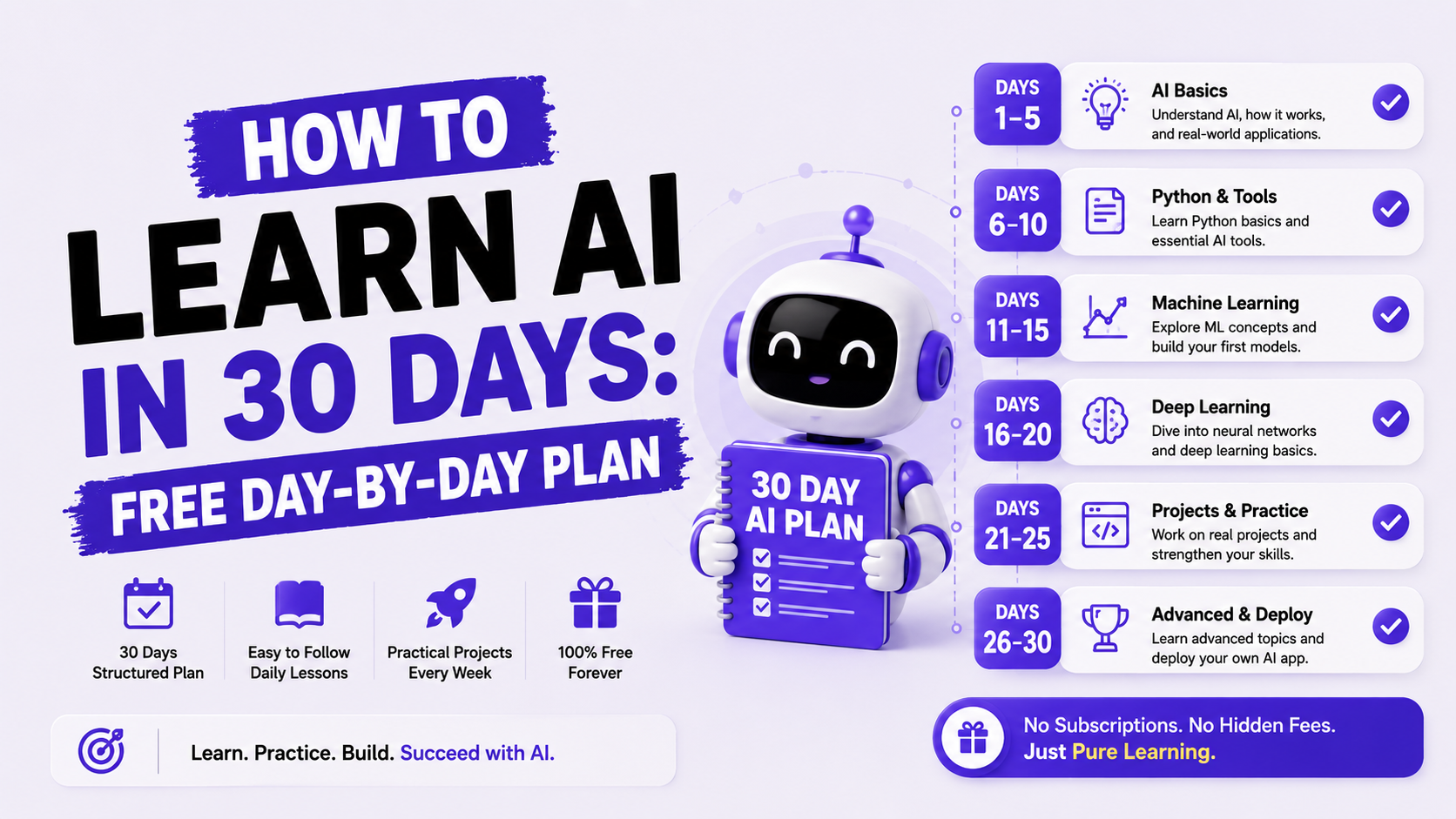
Most people who want to learn AI get stuck before day three because the learning path they picked is too broad, too technical, or both. This 30-day plan solves that. Four themed weeks, one concept per day, 30 minutes maximum, all free resources.
Read More→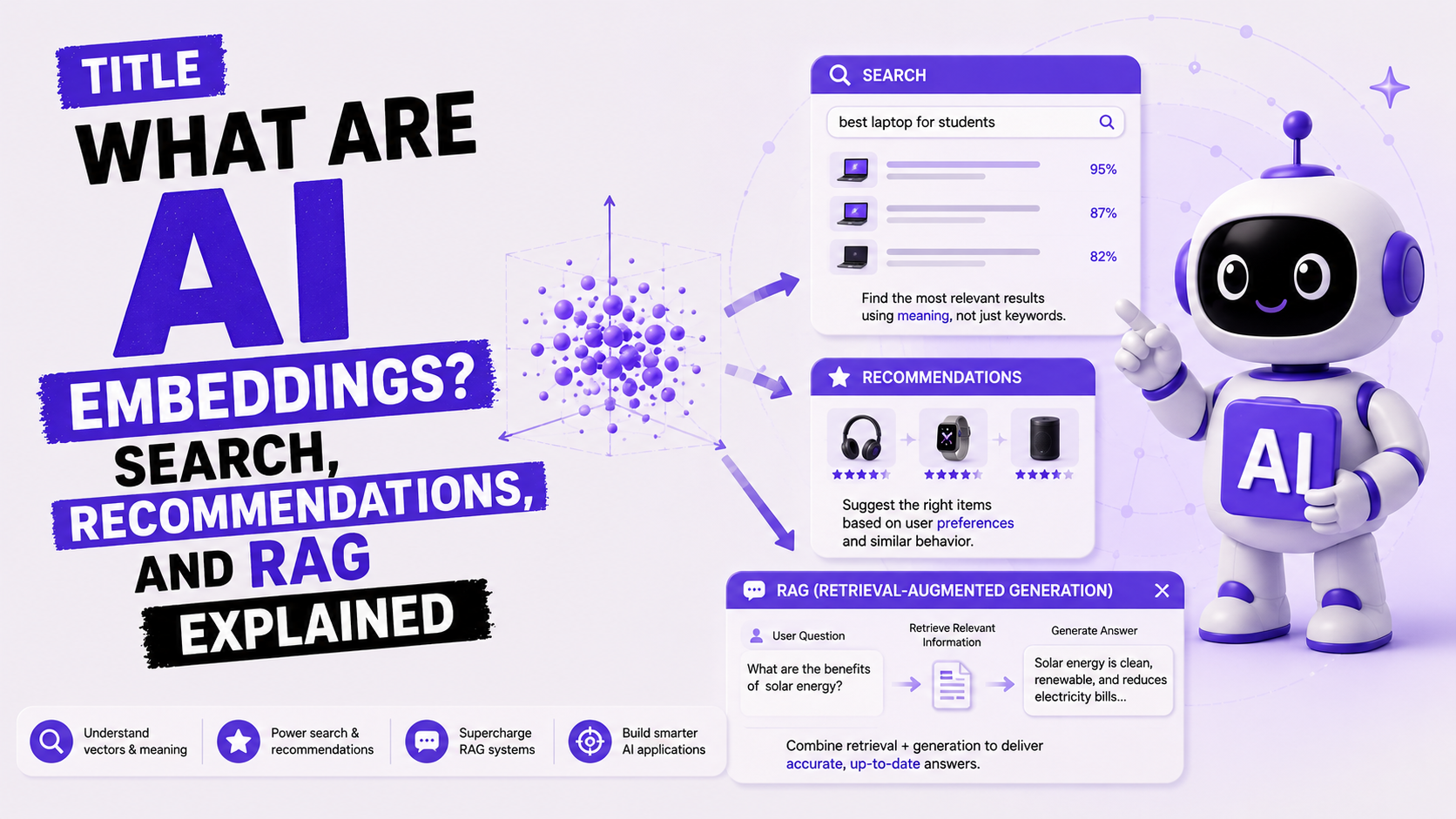
Every time Spotify recommends a song you love, Google understands what you actually meant, or a chatbot answers from your company docs, embeddings are doing the heavy lifting. This guide explains what they are, how they work, and why this one concept unlocks so much of modern AI.
Read More→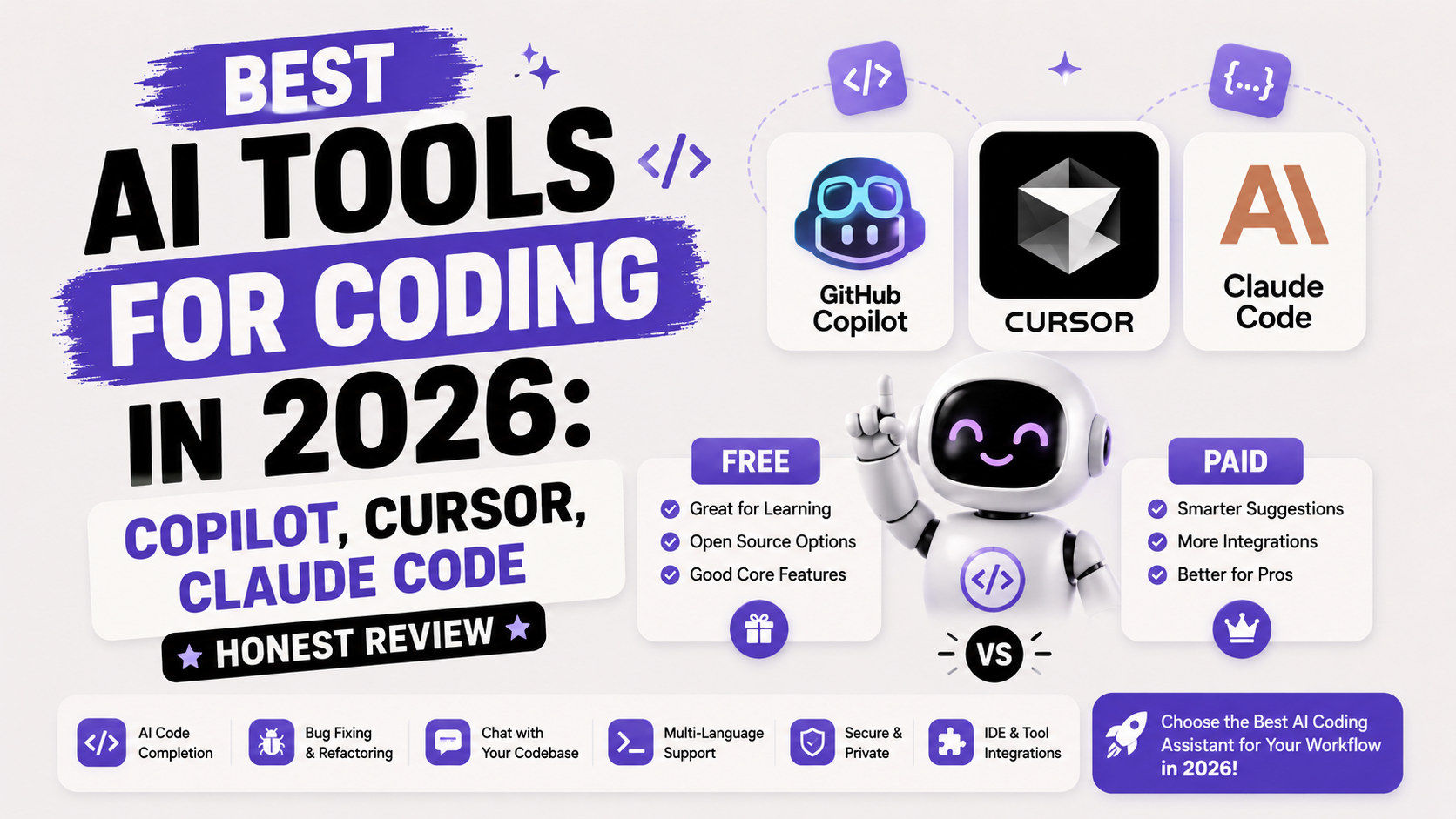
GitHub Copilot, Cursor, and Claude Code are not competing for the same job. One is an extension, one is a full IDE, one is a terminal agent. This guide breaks down what each actually does, what the free tiers really give you, and the combination most professional developers settle on in 2026.
Read More→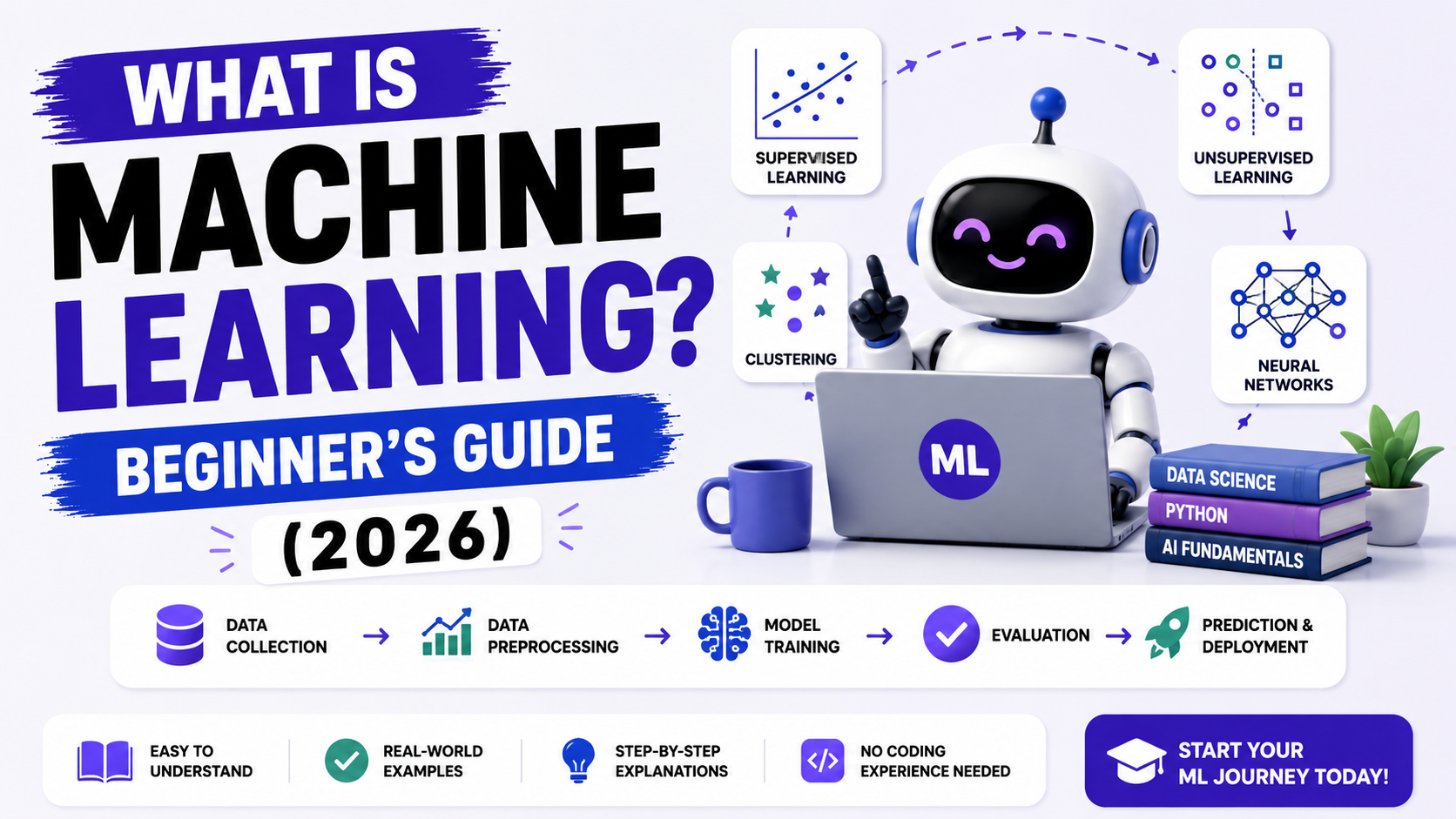
Machine learning is the technology behind almost every AI tool you use - from your spam filter to ChatGPT to the Spotify Discover Weekly playlist. This guide explains what it actually is, how it works, the three main types, and where it shows up in your daily life without you even noticing.
Read More→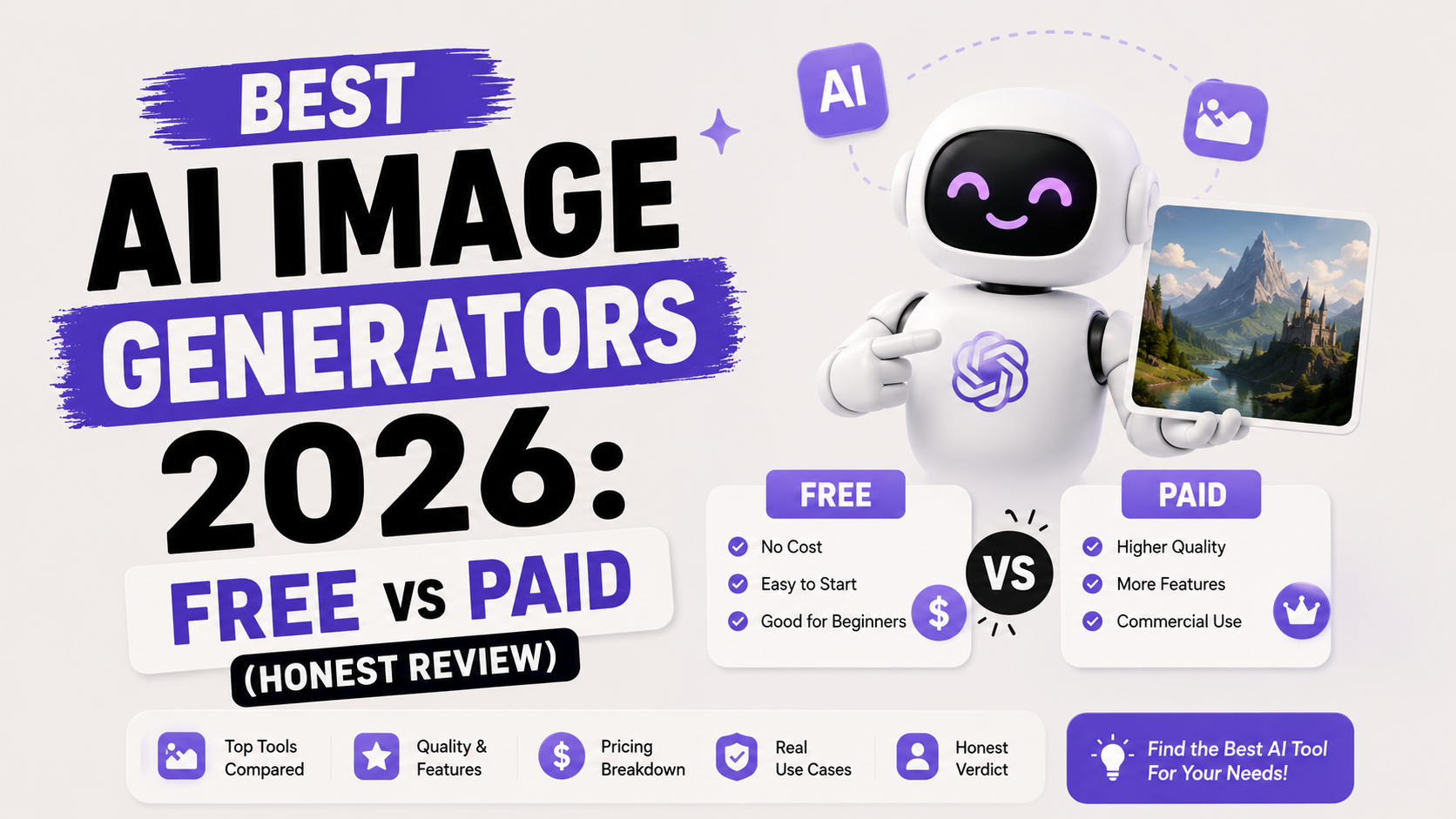
Six major AI image generators tested and compared for 2026. From completely free tools like Microsoft Designer and Ideogram to paid options like Midjourney V7 and Flux 2 Pro — this guide tells you exactly what each tier delivers, where the free plans quietly fall short, and which tool to pick for your specific use case.
Read More→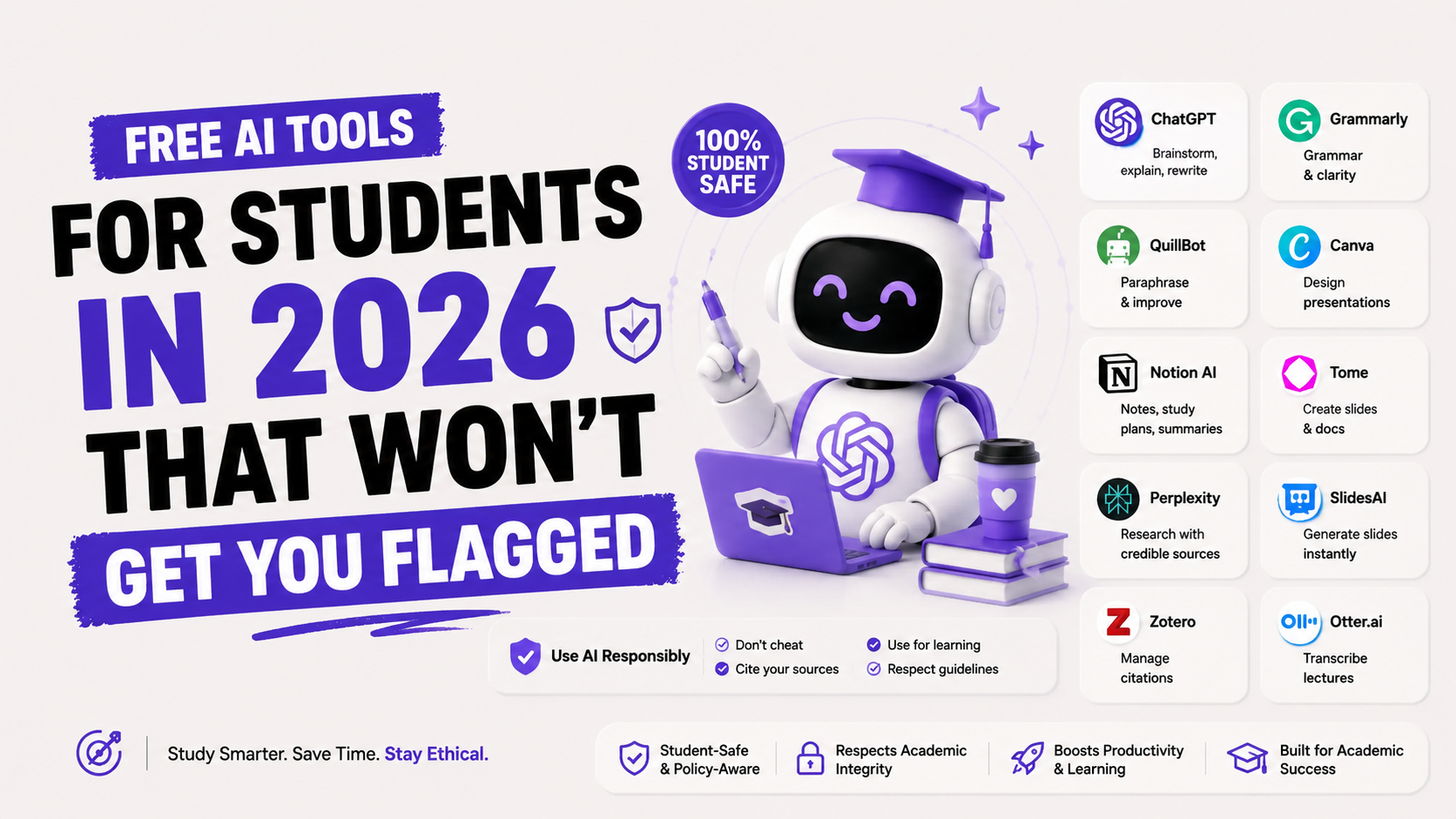
Most AI tools lists for students skip the most important question: which ones are safe to use without triggering Turnitin or violating your university's academic integrity policy? This guide covers 7 free tools that help you work smarter — and why how you use them matters as much as which ones you pick.
Read More→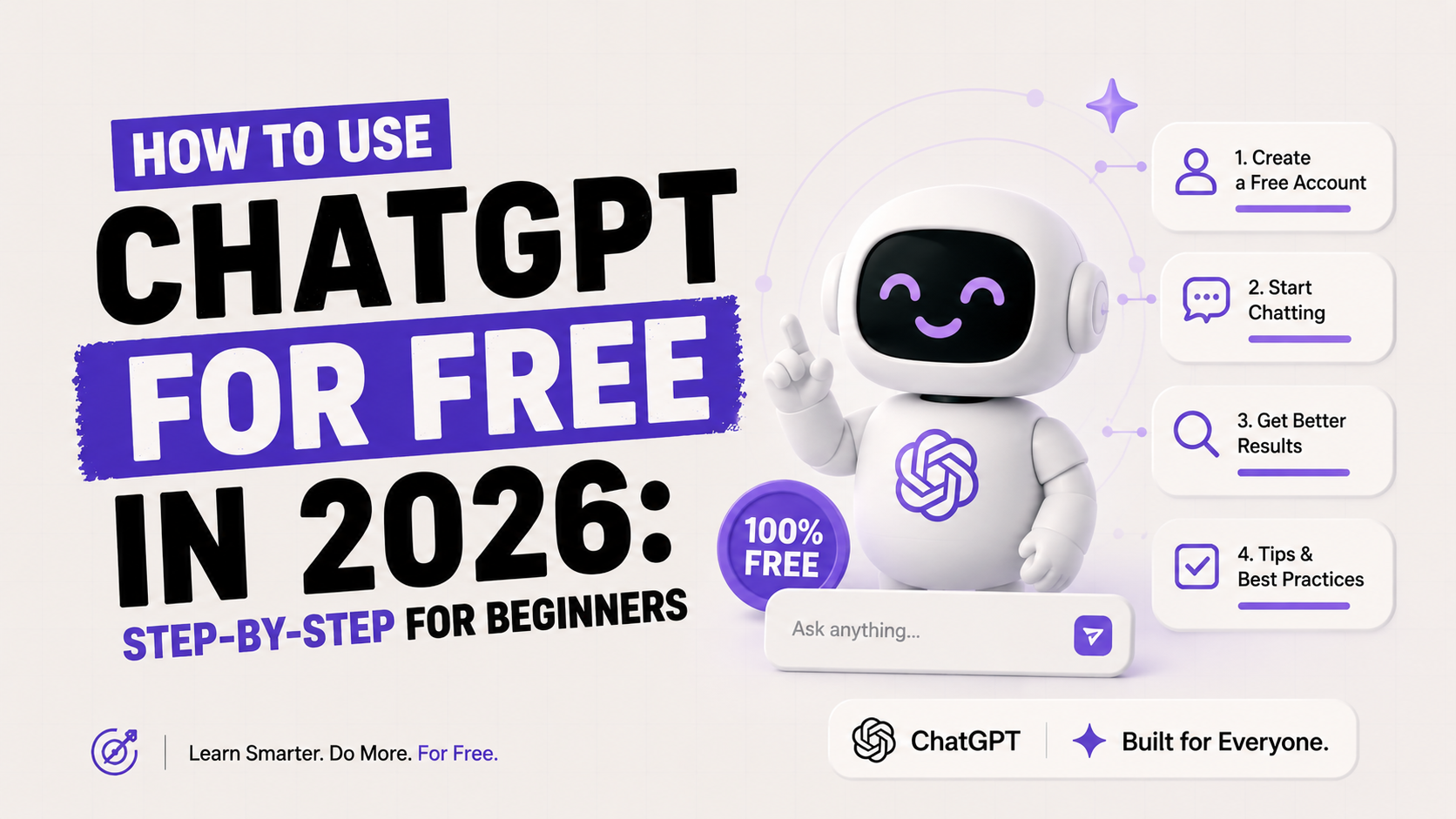
ChatGPT is free for everyone in 2026 — but most beginners miss more than half of what's available without paying a rupee. This guide shows you exactly how to set it up, what you get, where the limits hit, and 8 practical ways to get more out of every free session.
Read More→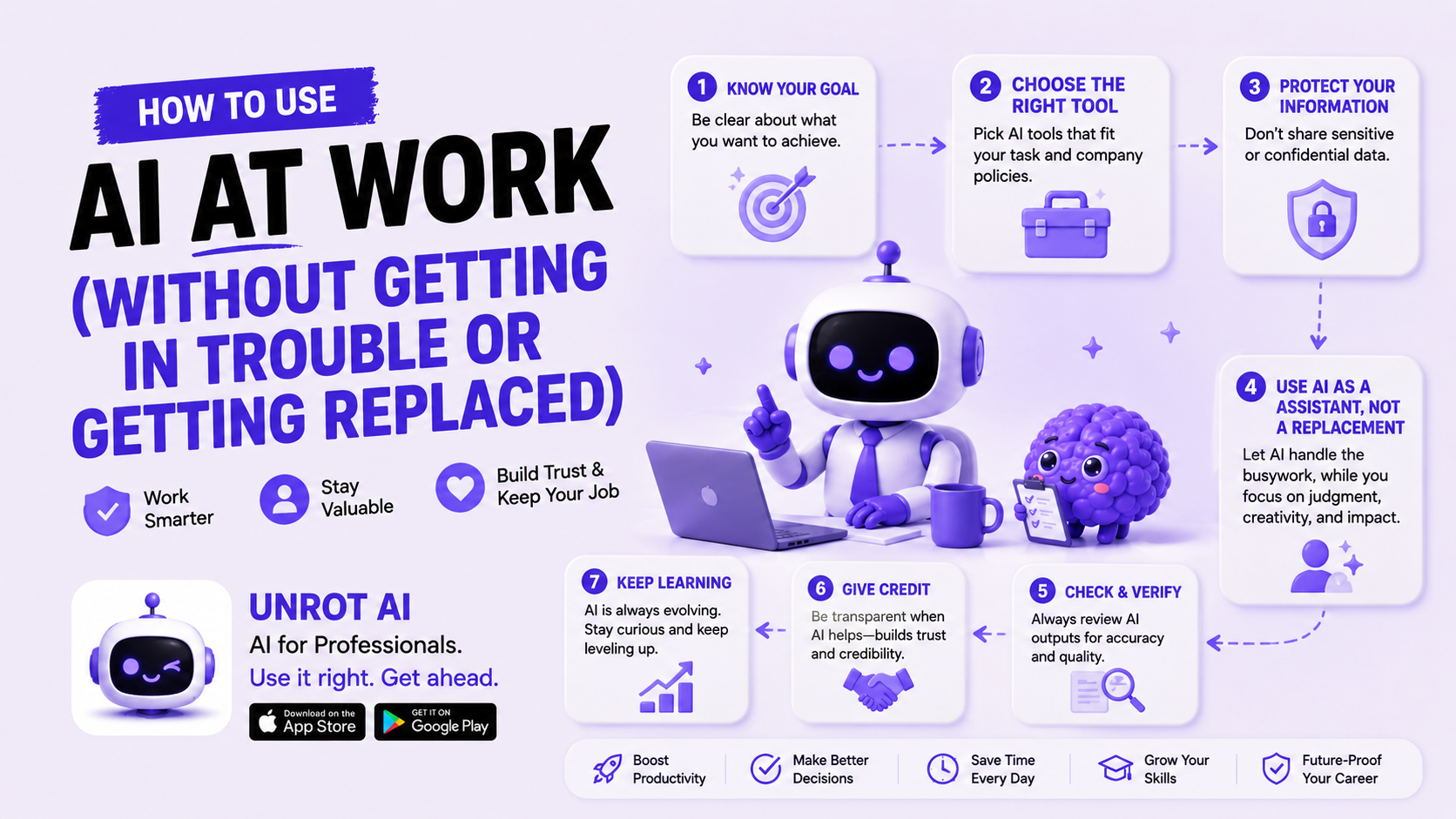
Workers with AI skills earn 56% more than peers in the same role without them. That gap is real, sourced from PwC's analysis of a billion job ads, and growing. But the gap between 'using AI' and 'using AI well at work' is where most professionals fall short. This post gives you the practical guide: what to use AI for, what never to put into a public AI tool, how to prompt it for real work tasks, and how to talk about it with your manager.
Read More→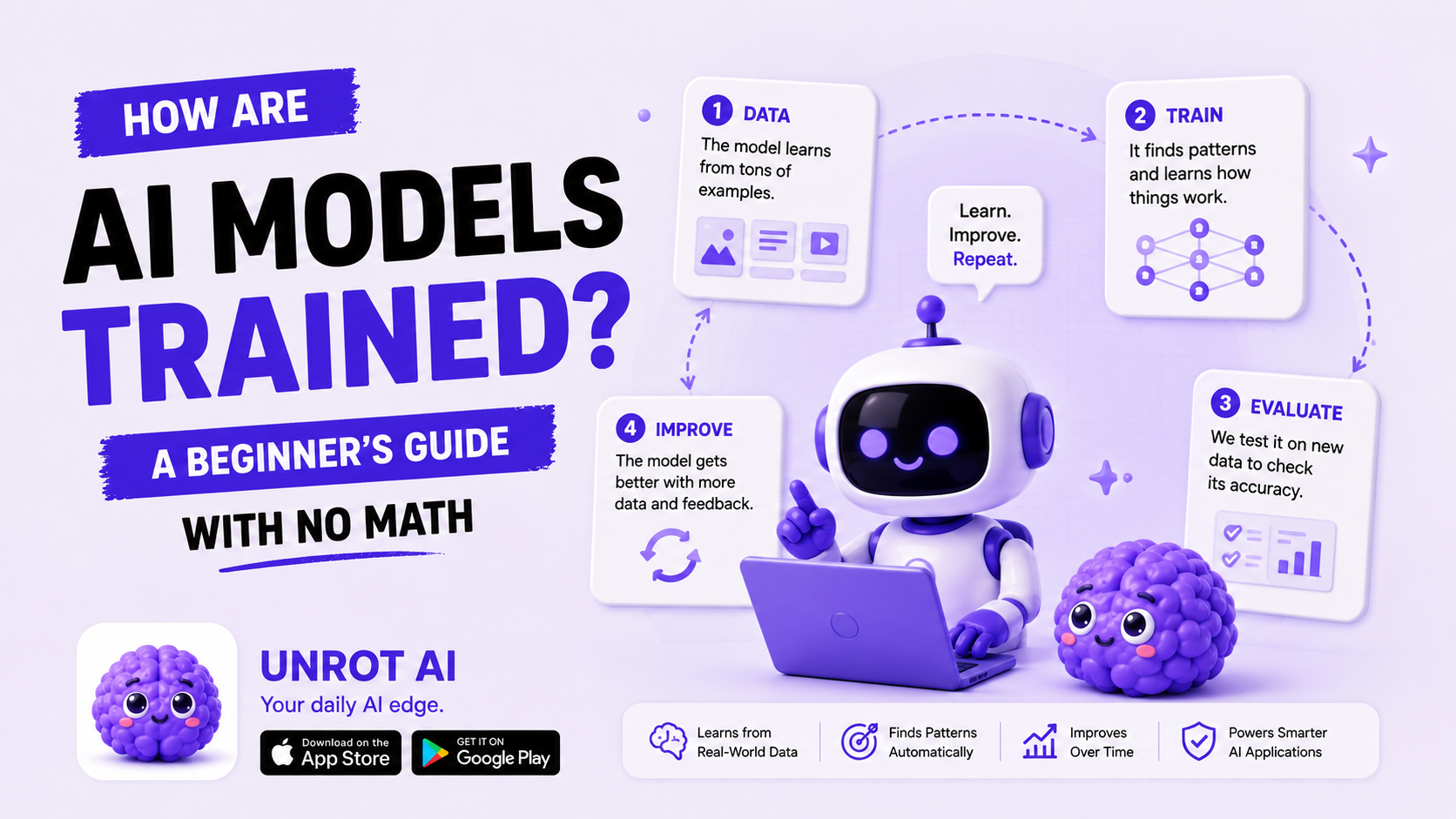
ChatGPT learned to write emails, explain concepts, and hold conversations by reading roughly 15-20 trillion tokens of text and playing one game over and over: 'guess the next word.' This post explains the complete 4-step training process - data collection, tokenisation, pre-training, and RLHF - in plain English, with analogies that make the abstract concrete.
Read More→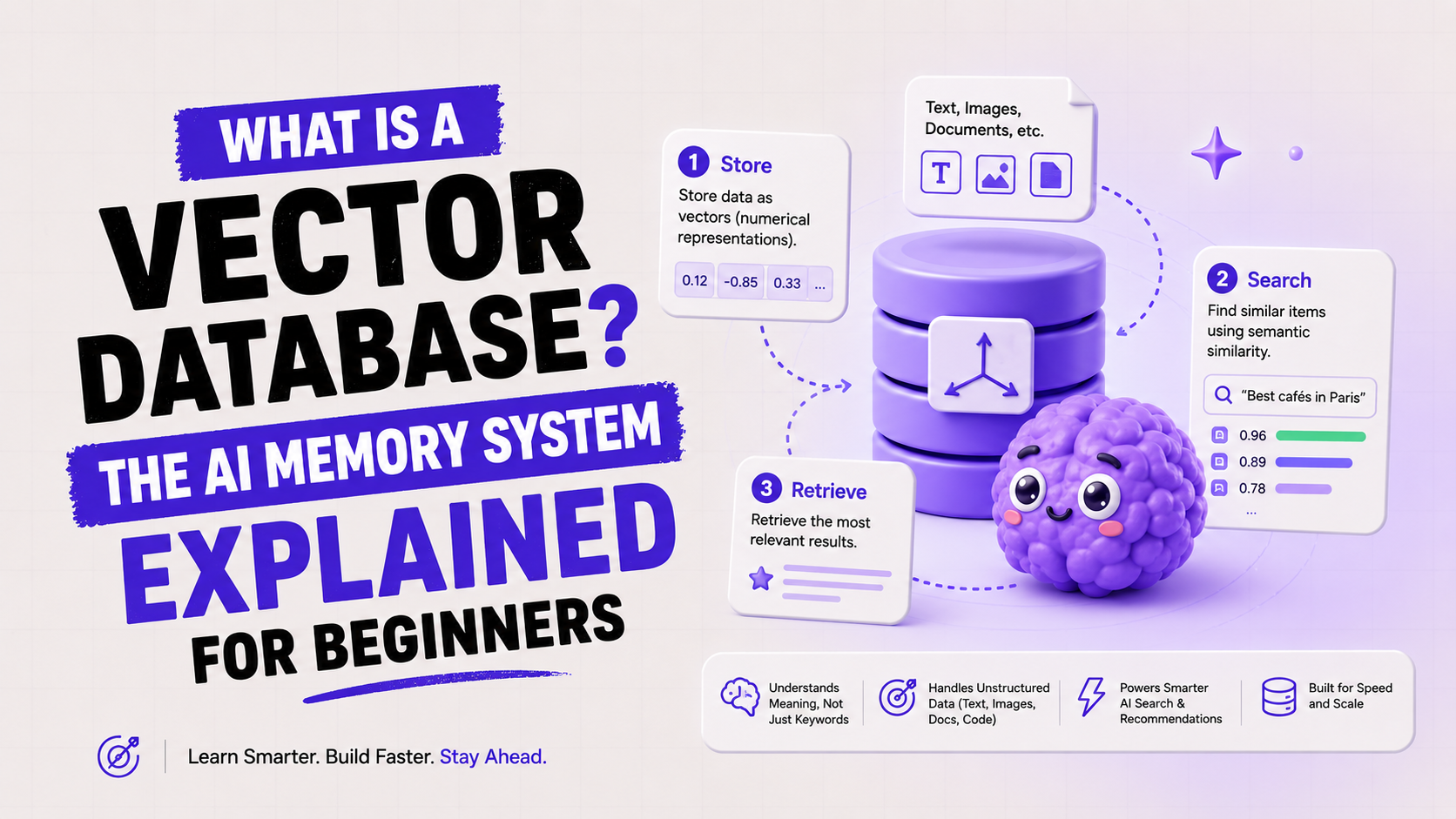
When you search Spotify for 'chill rainy day music' and it finds songs that match the mood — even if none of them mention 'rain' or 'chill' — that's a vector database at work. The same technology powers Perplexity, NotebookLM, and the RAG systems inside every major AI chatbot. This post explains what vector databases are, how they search by meaning, and why the term keeps appearing everywhere in 2026.
Read More→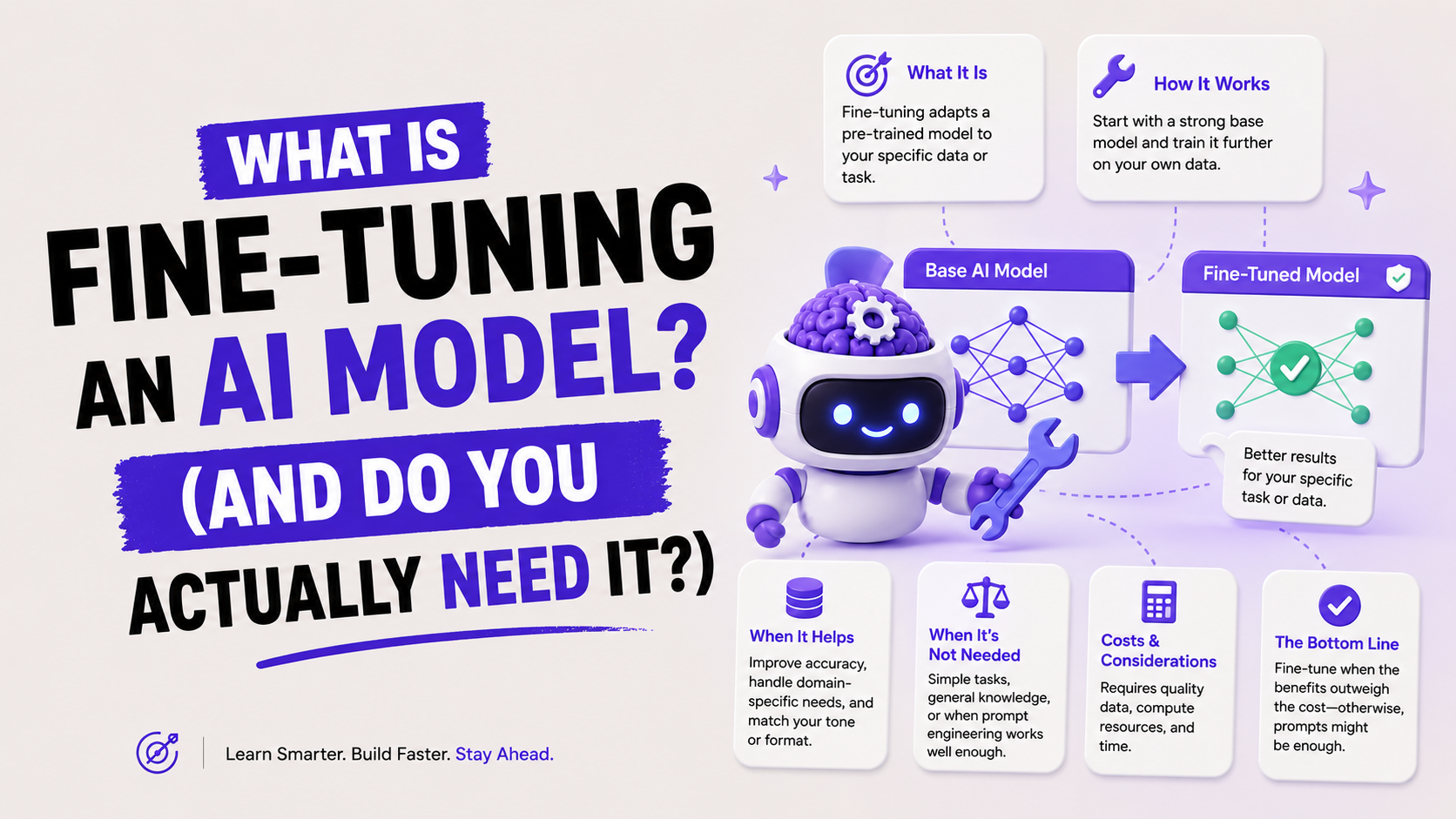
Fine-tuning is one of the most talked-about AI techniques in 2026 - and one of the most misunderstood. Most people who reach for it should be using prompt engineering or RAG instead. This post explains what fine-tuning actually is, the analogy that makes it click, how it compares to the alternatives, what it genuinely costs, and the four situations where it actually makes sense.
Read More→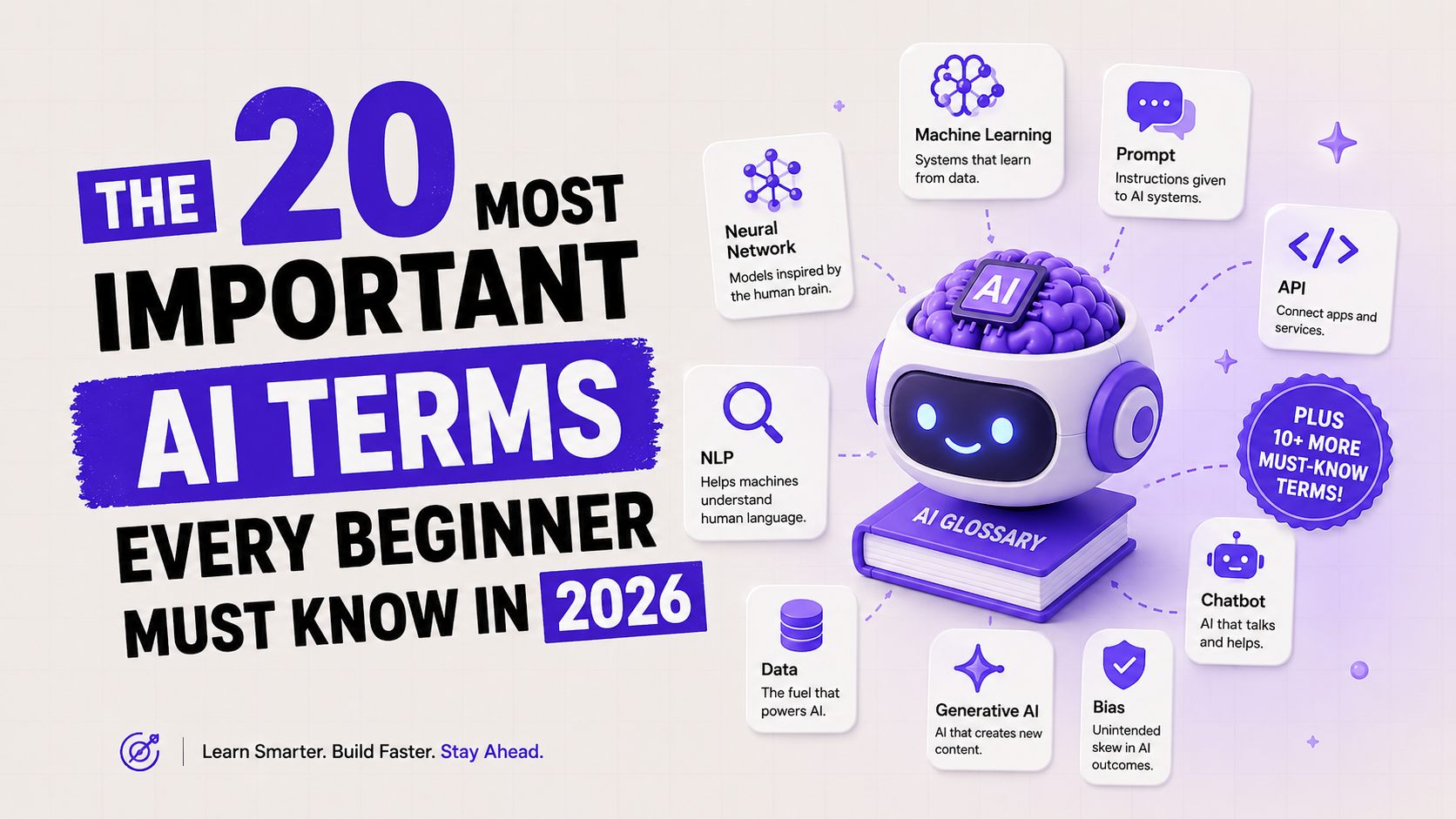
Everyone's talking about LLMs, RAG, tokens, embeddings, and agents. If those words blur into noise, this glossary is for you. 20 terms, each with a plain-English definition, a real-world example, and a link to go deeper — built to bookmark and return to.
Read More→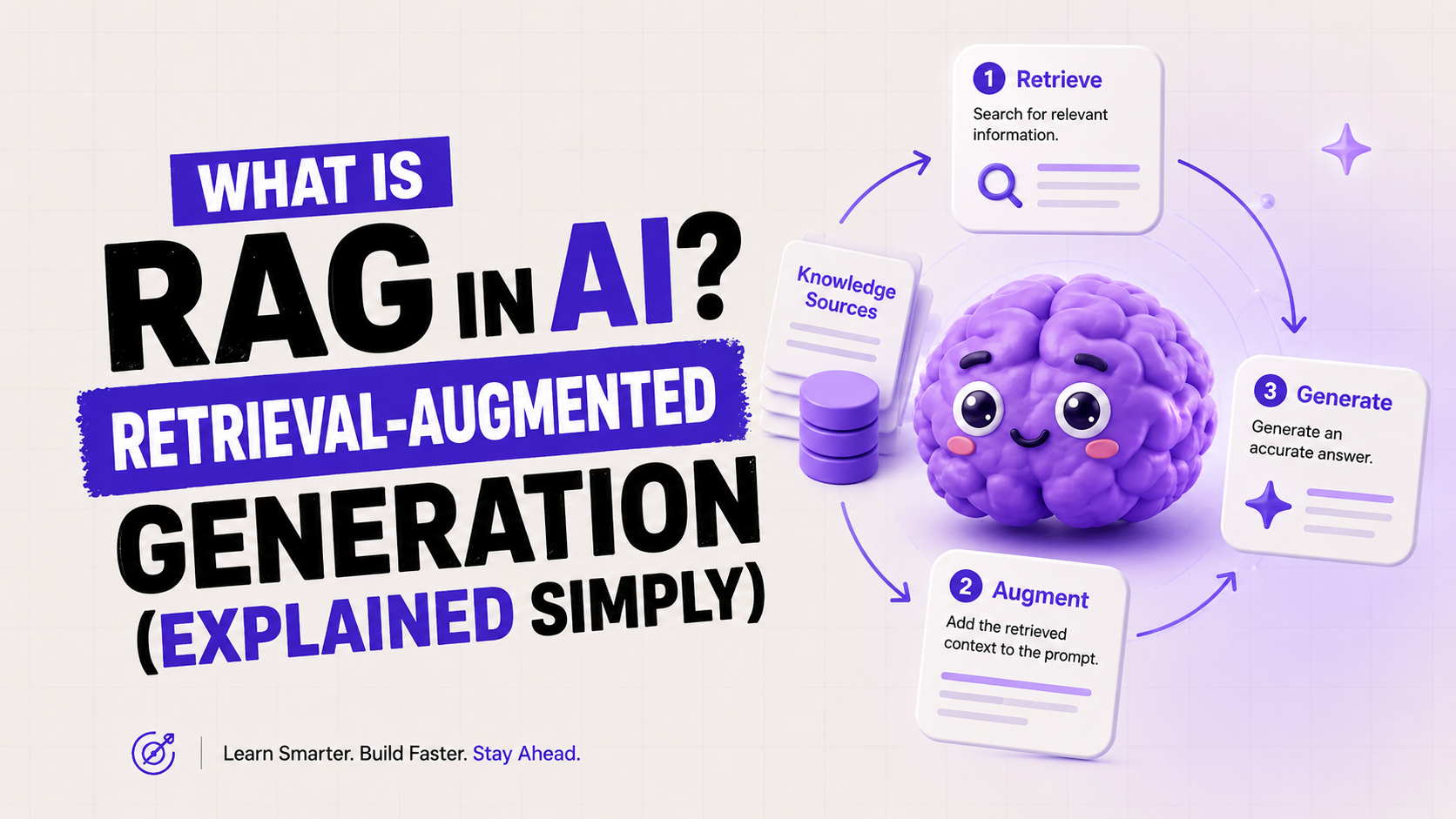
Every major AI product you use in 2026 — NotebookLM, Perplexity, Claude with document upload - runs on a technique called RAG. It is one reason these tools give accurate, source-backed answers instead of confident guesses. This post explains exactly what RAG is, how it works in three steps, why it matters, and how it compares to fine-tuning.
Read More→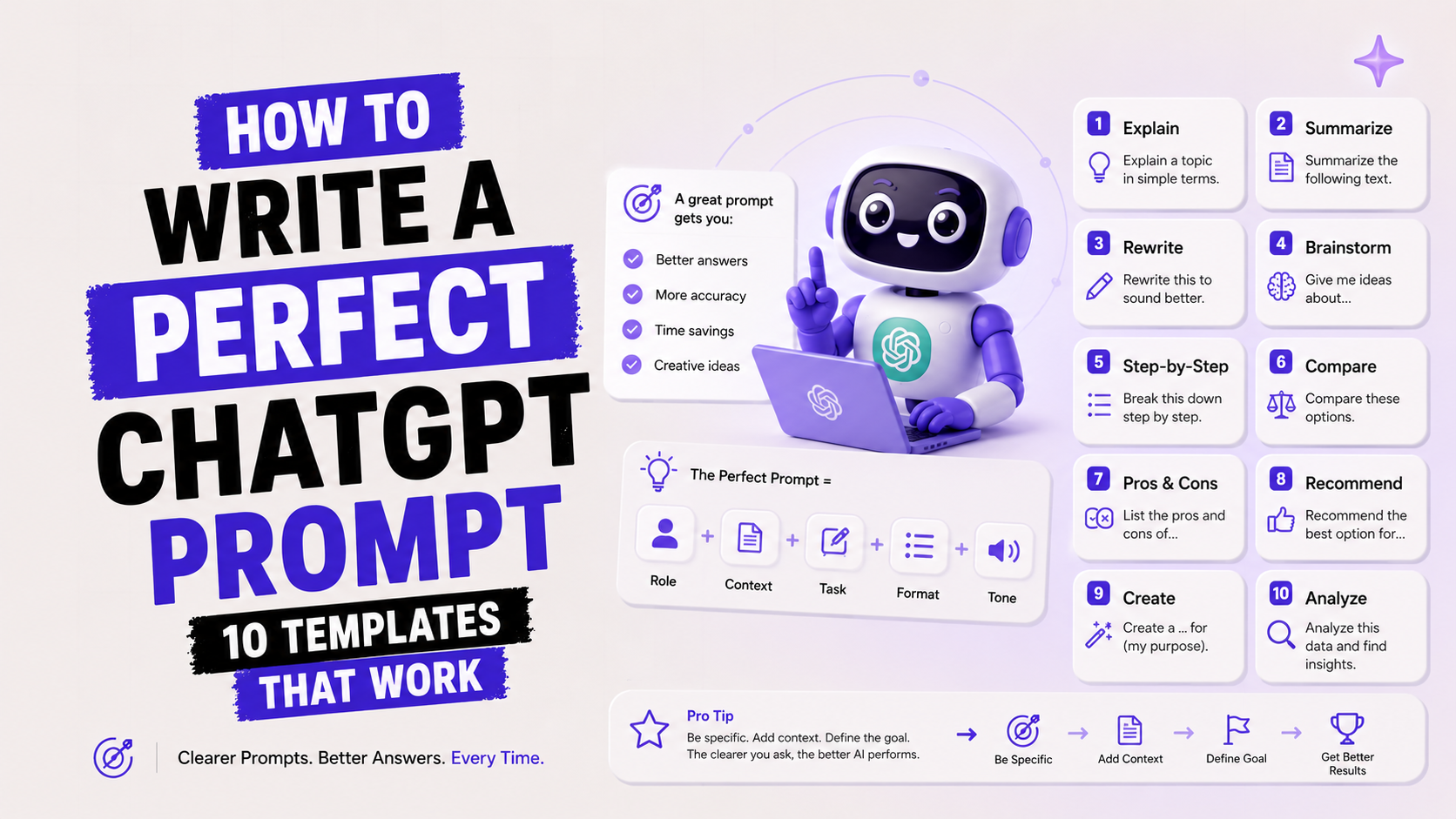
A bad prompt wastes AI's potential. A great prompt turns it into the best tool you have ever used. This post gives you the RISEN framework and 10 copy-paste prompt templates - for work emails, research, creative writing, and more - that consistently produce output worth using.
Read More→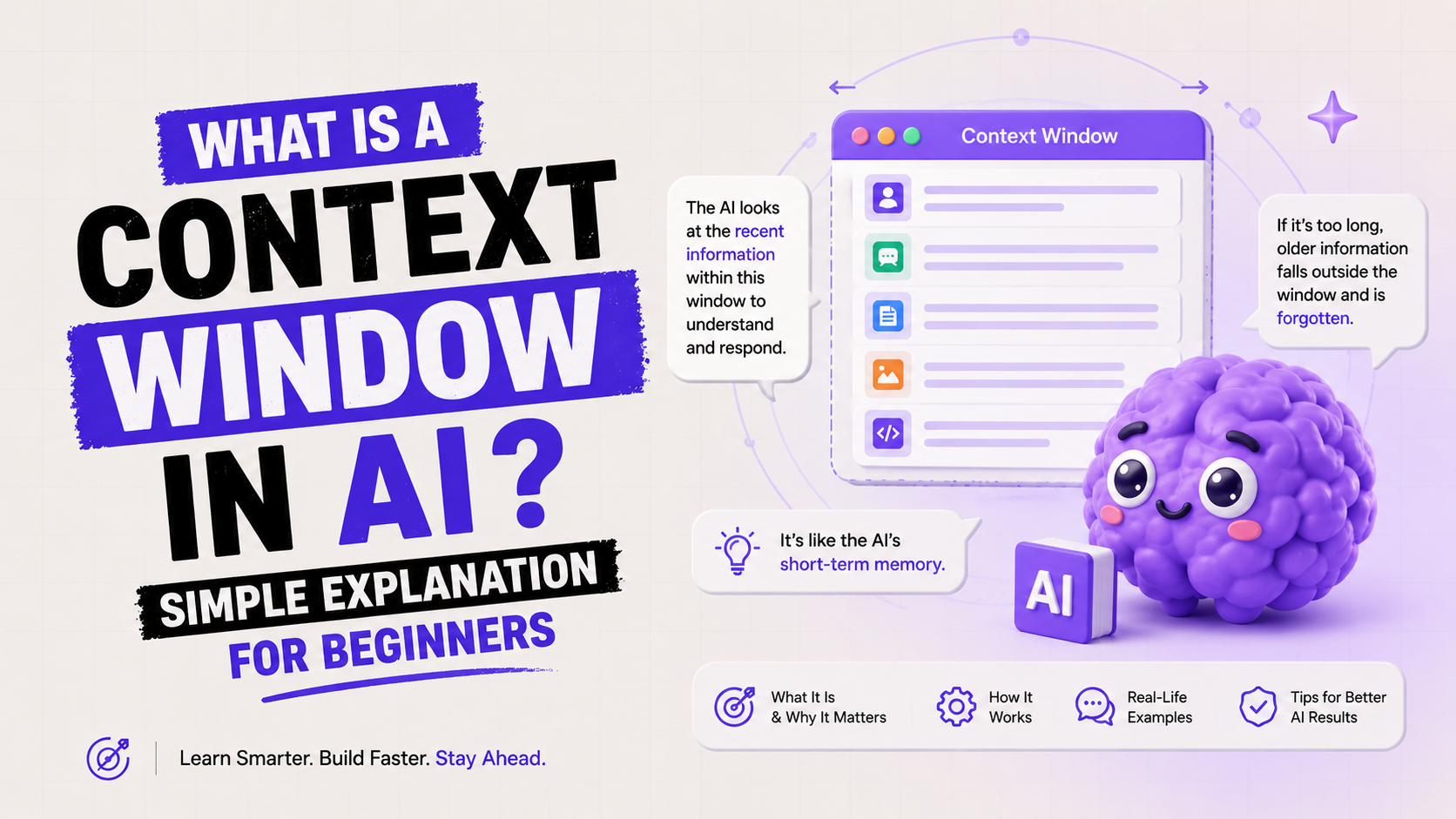
You're mid-conversation with ChatGPT and it suddenly forgets something you told it 20 messages ago. That's your context window at work. This post explains what a context window is, how big the major AI models are, and practical ways to never hit the limit again.
Read More→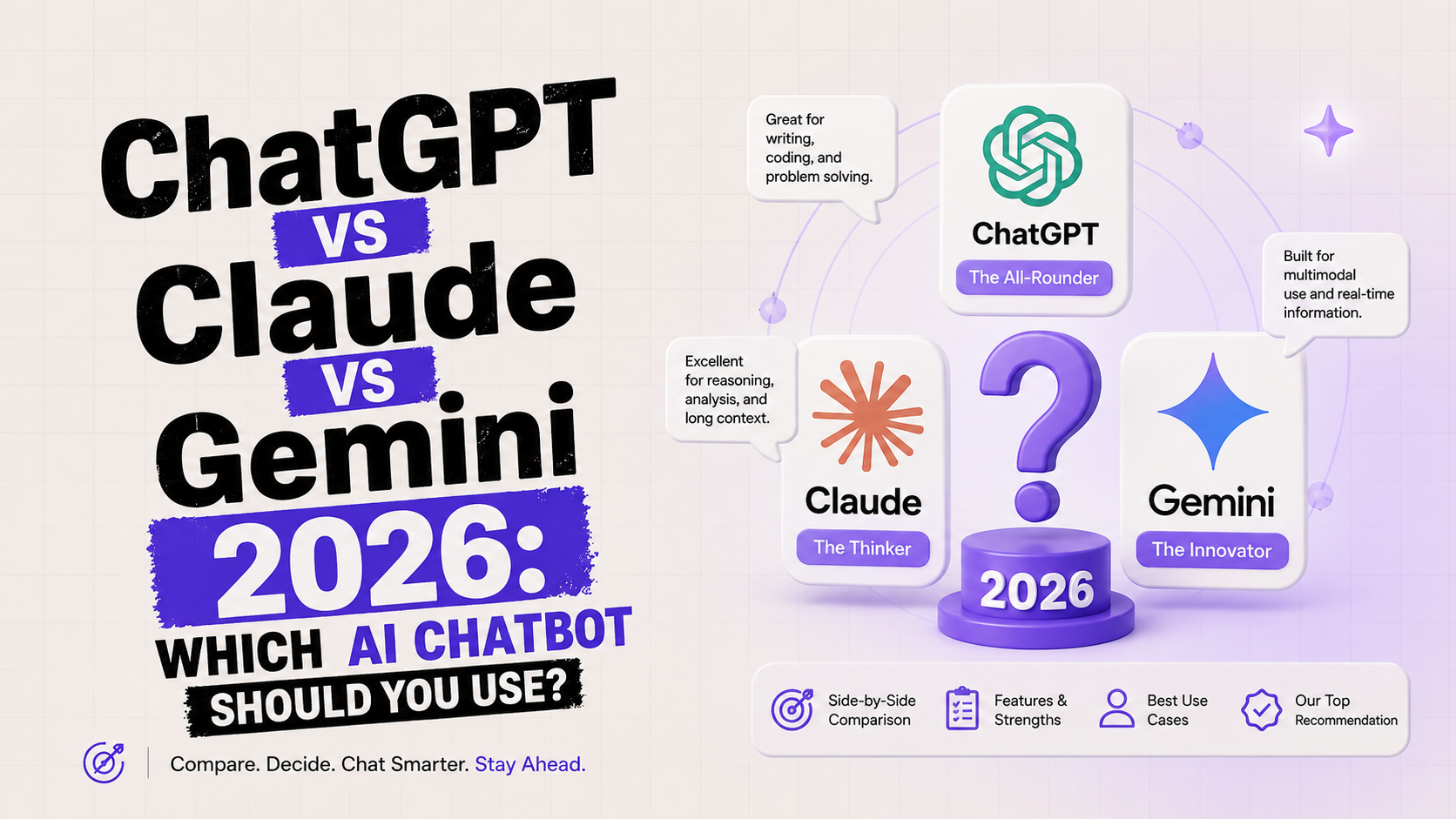
Three AI chatbots dominate in 2026: ChatGPT, Claude, and Gemini. Each has a clear specialty — and choosing the wrong one wastes your time. This guide breaks down exactly which one to use, for what, and why. No benchmarks-only takes. Real practical guidance.
Read More→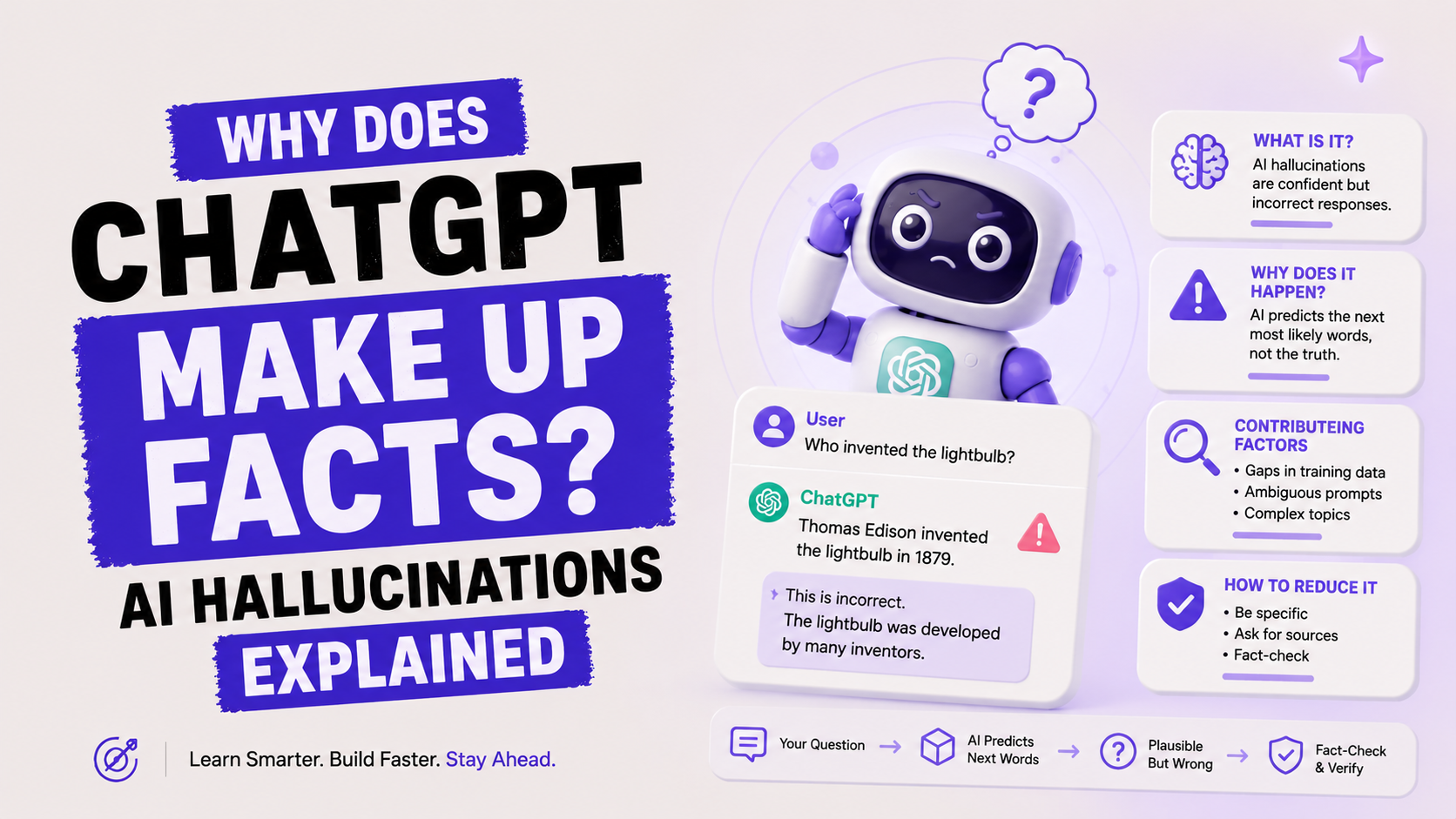
You asked ChatGPT a question. It gave you a confident, detailed answer. Then you Googled it and found out it was completely made up. This post explains exactly why that happens — and what you can do to catch it before it causes a problem.
Read More→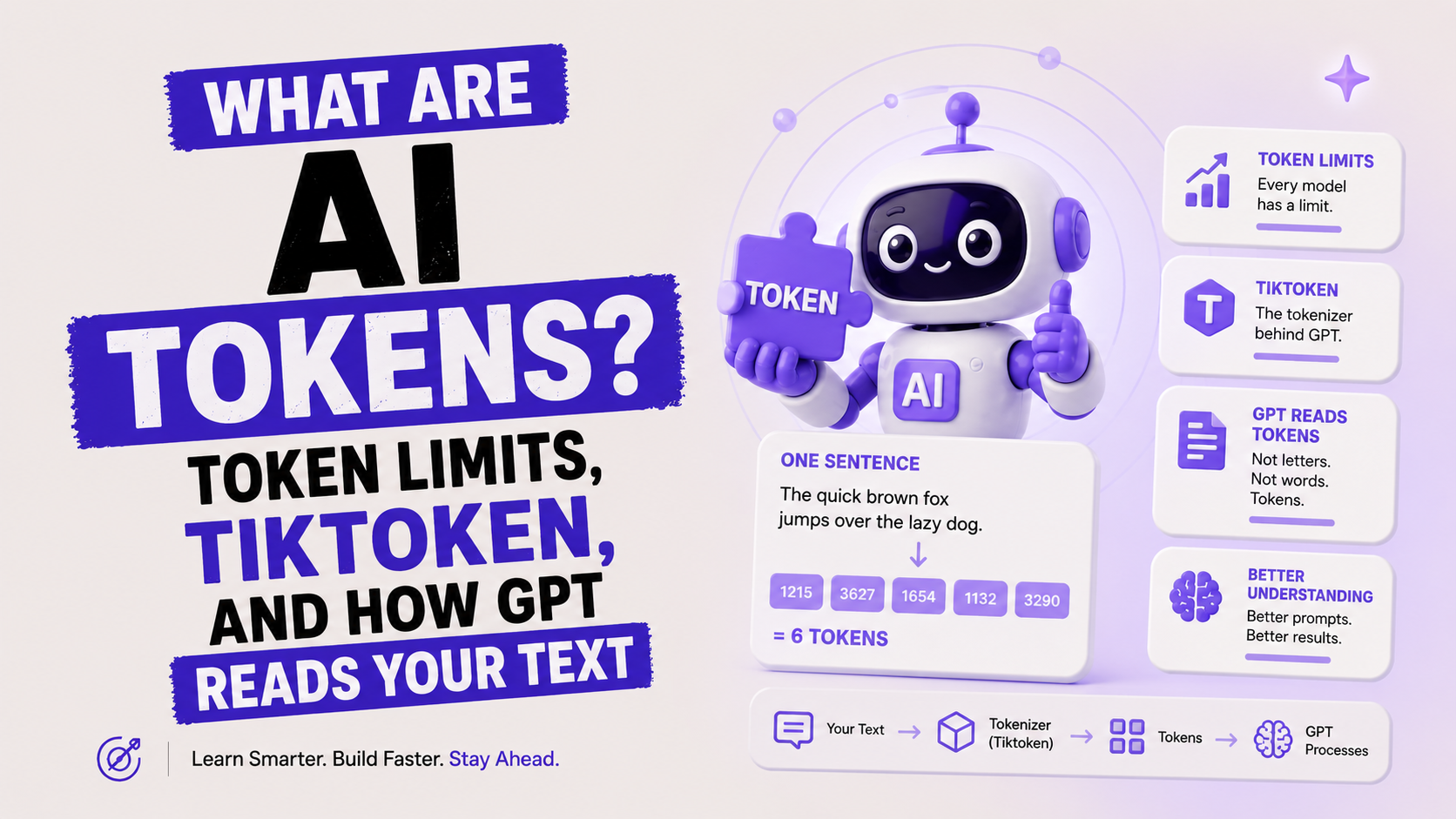
Every word you type into ChatGPT gets chopped into tiny pieces called tokens before the model reads it. This blog explains what AI tokens are, how tiktoken (OpenAI's official tokenizer) works, why token limits matter, and how to count tokens in Python. No prior coding knowledge needed.
Read More→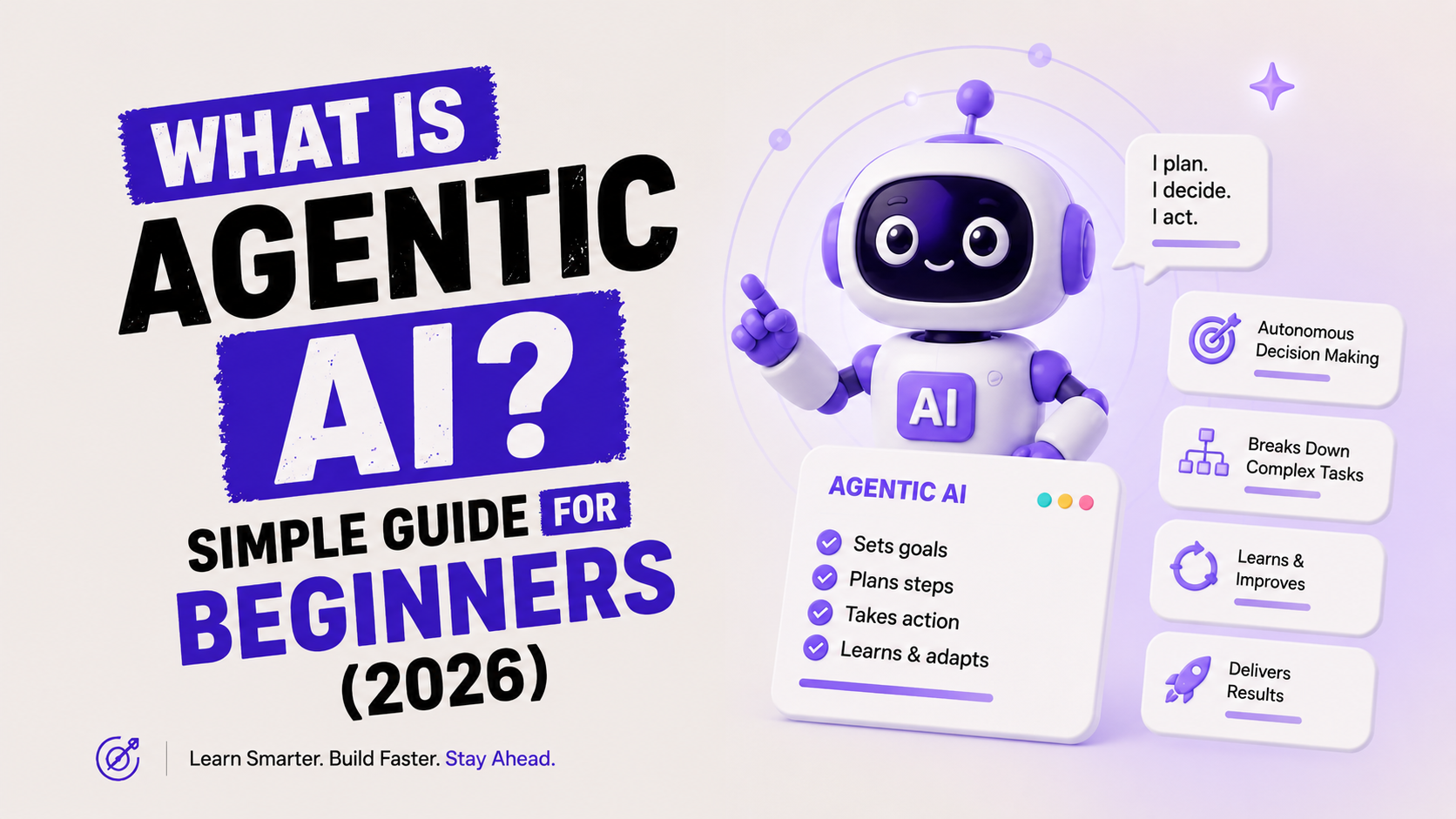
Generative AI answers your questions. Agentic AI actually does the work. This guide breaks down what agentic AI is, how it differs from tools like ChatGPT, real-world examples, and the best agentic tools you can start using in 2026.
Read More→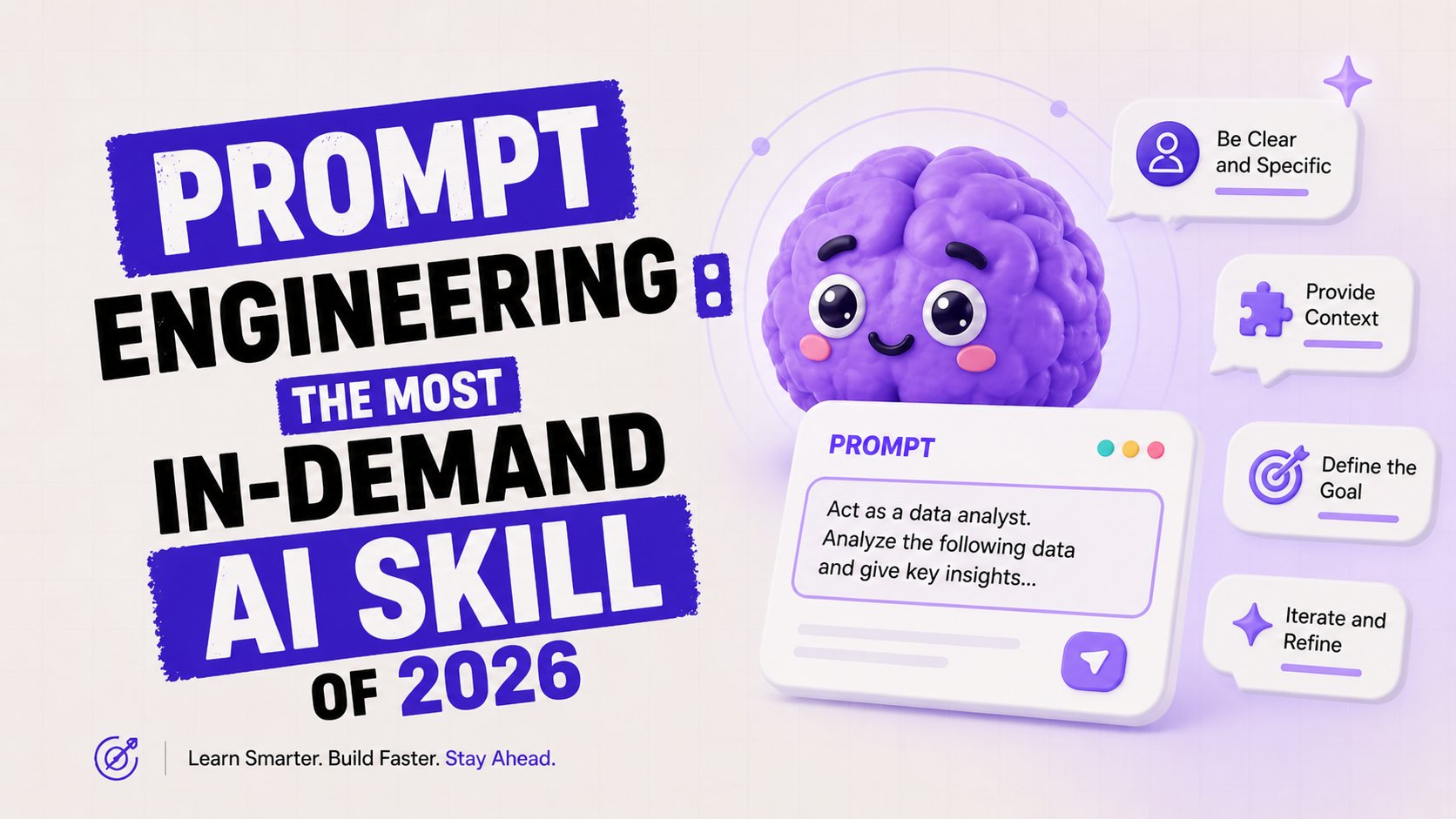
Everyone using AI in 2026 is prompt engineering whether they know it or not. The difference between getting mediocre AI output and genuinely useful output is almost entirely in how you write your instructions. This post explains what prompt engineering actually is, why it has become the most in-demand AI skill of 2026, and gives you 10 reusable templates you can start using in the next 10 minutes.
Read More→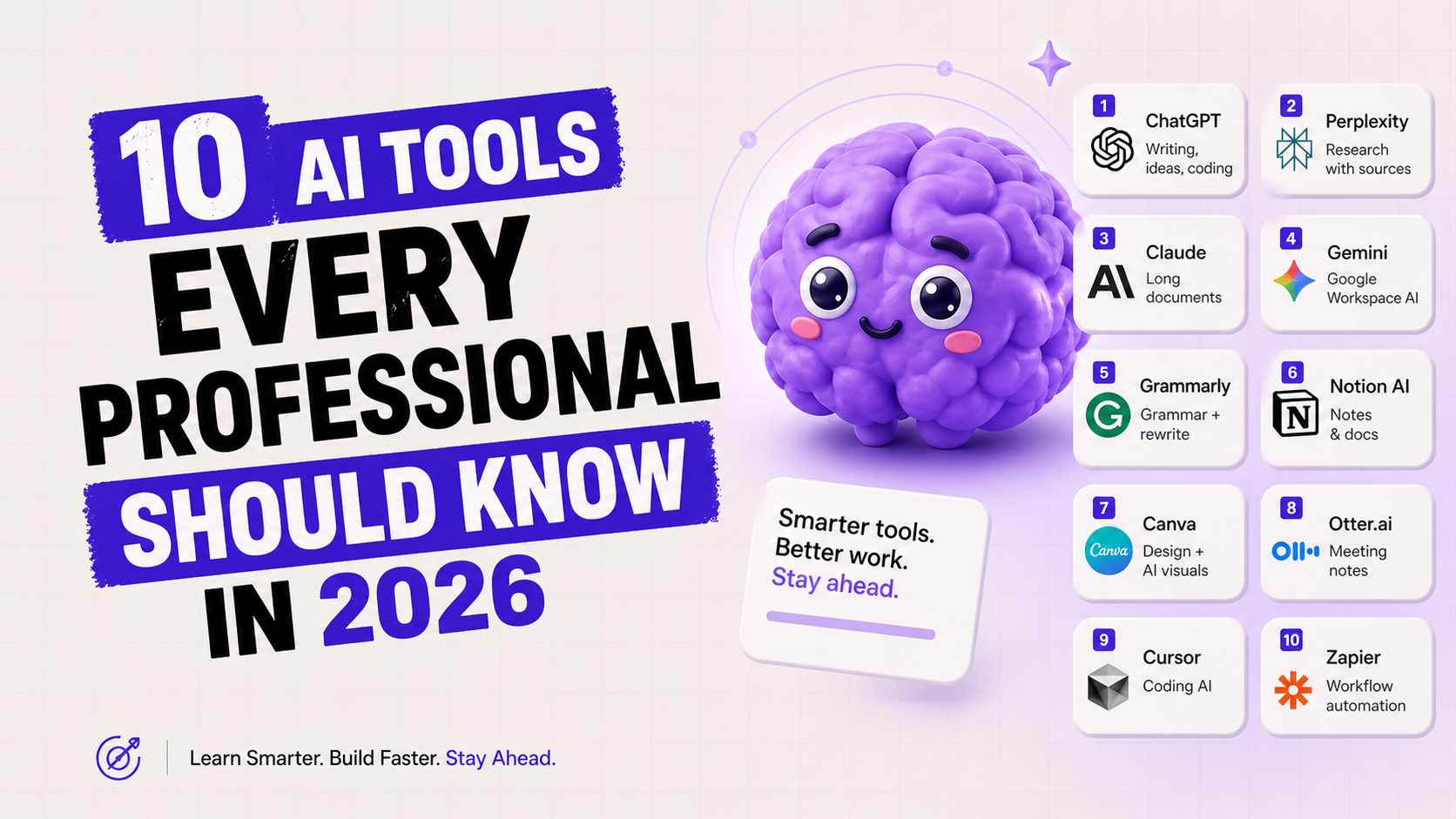
Most professionals have heard of AI tools. Very few know which ones actually matter at work, what they are good for, and how to get up to speed without spending months on courses. This post cuts through the noise: 10 tools, what they do, who needs them, and the fastest way to actually learn each one.
Read More→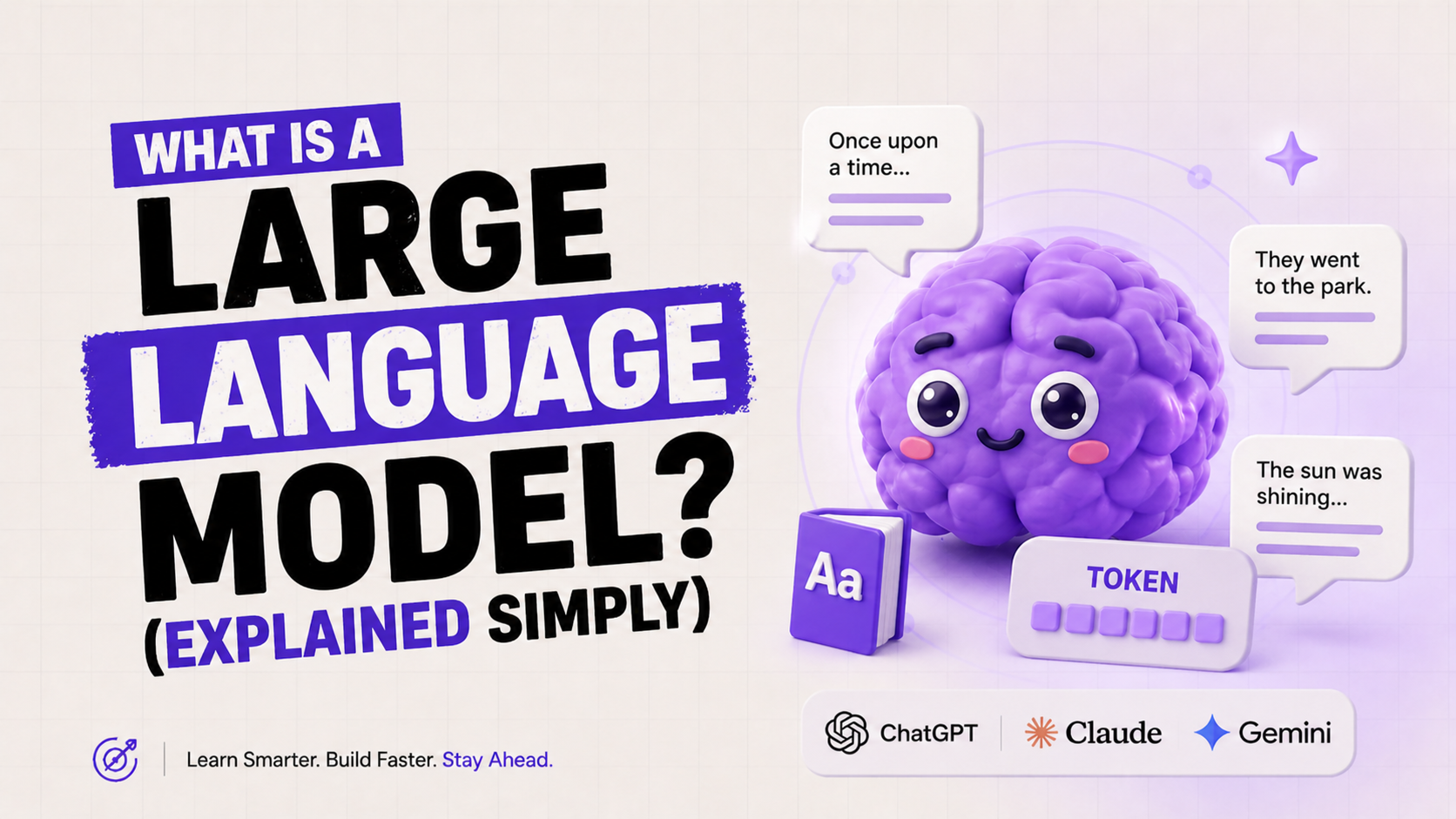
: Everyone uses ChatGPT. Almost nobody knows what powers it. This post explains large language models in plain English -- no PhD, no jargon, no walls of math. You will understand what an LLM is, how it learns, and why it sometimes gets things wrong, all in about 5 minutes.
Read More→
Most AI tutorials start with math, algorithms, and jargon nobody asked for. This roadmap does the opposite. It shows you exactly what to learn first, where to learn it for free, and how to go from zero to a real AI skill set in 2026, whether you want a career or just want to stop feeling left behind.
Read More→
50,000+ professionals trained. Unrot by Build Fast with AI teaches you AI in 5 mins/day — courses, daily news, interview prep. Here's an honest look.
Read More→